ADVENTURE SKILL RATING SYSTEM
The Bret Tkacs ADV Skill Rating System — also called the “Adventure Skill TKACSonomy” — is the first standardized skill rating framework designed specifically for adventure motorcycle riders on loaded ADV bikes. Created by professional ADV trainer and tour guide Bret Tkacs, this system rates rider ability across five terrain classes, from Novice to Severe, giving riders a consistent, honest benchmark for their off-road skills.
Time spent on a motorcycle can work in favor of skill development,
but time spent on a motorcycle does not define your skill level.
As a professional motorcycle trainer and adventure tour guide, Bret has worked with riders at every level, from world travelers with surprisingly basic off-road skills to brand-new ADV riders who progress rapidly to advanced terrain. One consistent challenge stands out: helping riders honestly assess where they actually stand.
The TKACSonomy addresses this with a two-part system. The first part explains how the rating works and the assumptions behind it, because rating a rider’s skill against terrain type is genuinely complex. The second part is a visual terrain reference, showing what each terrain class actually looks like. Within each class, a rider’s ability falls into one of three levels: Rookie, Intermediate, or Proficient.
This guide is not a trail rating system. It is a rider rating system. The goal is to help you honestly assess your ability to ride a loaded adventure bike through specific terrain features — not under ideal conditions, but as you would actually travel.
Originally developed in 2017 by Bret Tkacs ¦ All rights reserved
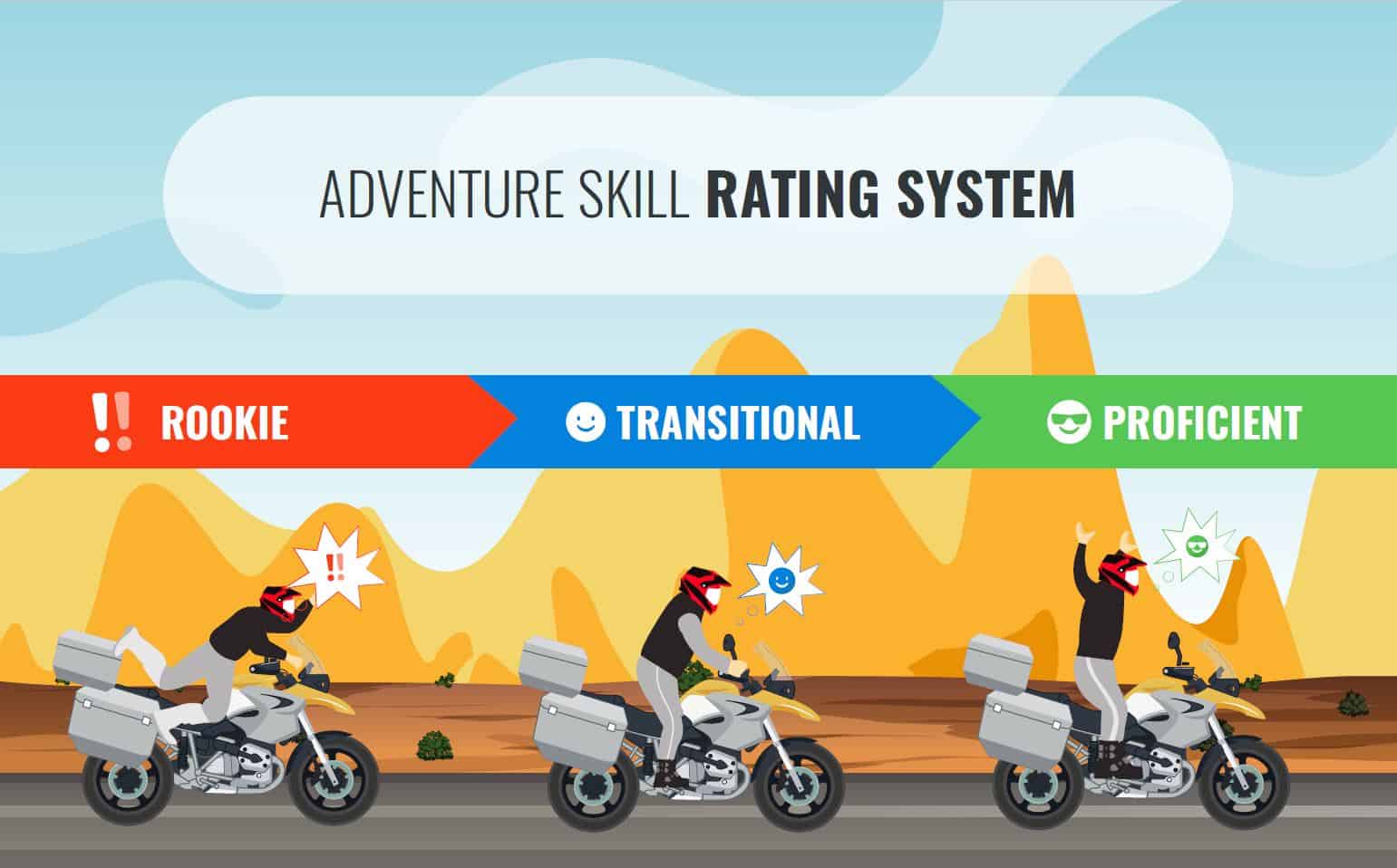
HERE'S HOW IT WORKS:
The TKACSonomy works by cross-referencing two things: the terrain you’re riding, and how well you ride it. Your skill rating is the highest terrain class where you can honestly call yourself proficient. This does not mean you survived in one piece, but that you completed the terrain in control, unfatigued, and undamaged. To keep that rating meaningful and consistent across all riders, the system requires a standard starting point.
This rating system will define your riding skill as an adventure rider and not as a dirt bike or dual-sport rider. Before you can accurately assess your level, three baseline assumptions must be true.
I
YOUR BIKE
You must be riding a mid-size to large-displacement adventure motorcycle (650cc and above). Examples include the BMW R 1250 GS, Honda Africa Twin, KTM 790/890 Adventure, Yamaha Ténéré 700, or similar.
II
YOUR MODS
Your bike must be in near-stock configuration with only minor upgrades such as suspension upgrades (springs) tires (OEM or similar, up to a 50/50), bike protection, footpegs, etc.
III
YOUR USE
Your bike should be equipped with at least a partial luggage load, think two soft panniers like Mosko Moto or Giant Loop, and/or a tail bag with gear for multi-day travel. Day-rider configurations with no luggage will skew your rating toward proficient.
STEP 1:
Determine your baseline by relating it to how you feel after finishing an average street ride. Focus on your fatigue and stress levels, your ability to multitask if needed, and how many rest breaks you typically need.
STEP 2:
Choose the class of terrain that most closely resembles the type of trails you typically ride.
STEP 3:
Taking into account the baseline you established in Step 1, use the following Skill Assessment Chart to determine your skill level in the terrain you chose in Step 2.
Rookie
You are a rookie if two or more of the following are true:
- Falls or near misses are frequent
- You crash or have frequent near-crashes
- You are exhausted, or find yourself using a lot of energy to ride
- You expect (or do) receive terrain damage to the motorcycle (ie. pinch flats, bent rims, severely damaged skid plates, etc.)
- You are unable to multitask while riding, if needed
INTERMEDIATE
You are transitioning towards proficiency if:
- Tip overs, falls and near misses are infrequent
- You are not damaging your motorcycle due to terrain
- Riding the terrain is not tiring
- Breaks are needed for food, not for resting
- You are capable of multitasking while riding
PROFICIENT
- You do not fall, nor have any near misses
- You do not expect nor receive any damage to the motorcycle due to terrain (ie. pinch flats, bent rims, severely damaged skid plates)
- You use very little energy to ride
- You only need food, weather, or stretching breaks and do not need breaks for resting
- You can easily multitask while riding, if needed
EXAMPLE:
If you typically ride in difficult terrain, which includes narrow switchbacks, water crossings with a loose base, and mud on hills, but you find yourself taking a lot more breaks than you would on a normal street ride, or have had several near-crashes, you are not proficient on difficult terrain. You would be considered a rookie on difficult terrain. Take a look at the moderate terrain to see if you are intermediate on moderate terrain (infrequent near misses) or proficient on moderate terrain (can easily multitask).
REGARDLESS OF YOUR RATING, YOU ARE CONSIDERED A NOVICE RIDER IF ANY OF THE FOLLOWING ARE TRUE:
- STANDING. You do not stand while riding moderate (or above) terrain, or prefer sitting over standing in technical terrain.
- FATIGUE. You are stiff while riding off-road or find riding off-road to be exhausting.
- SPEED CONTROL. You use your throttle for speed control rather than the clutch (for DCT riders, you use throttle for speed control rather than the rear brake).
- BRAKING. You refuse to use the front brake or are uncomfortable braking off-road.
- FEET. You paddlewalk through certain terrain features or you put your feet down in gravel, mud, water, sand, or loose rock.
Adventure Skill Rating System

Class 1: Novice
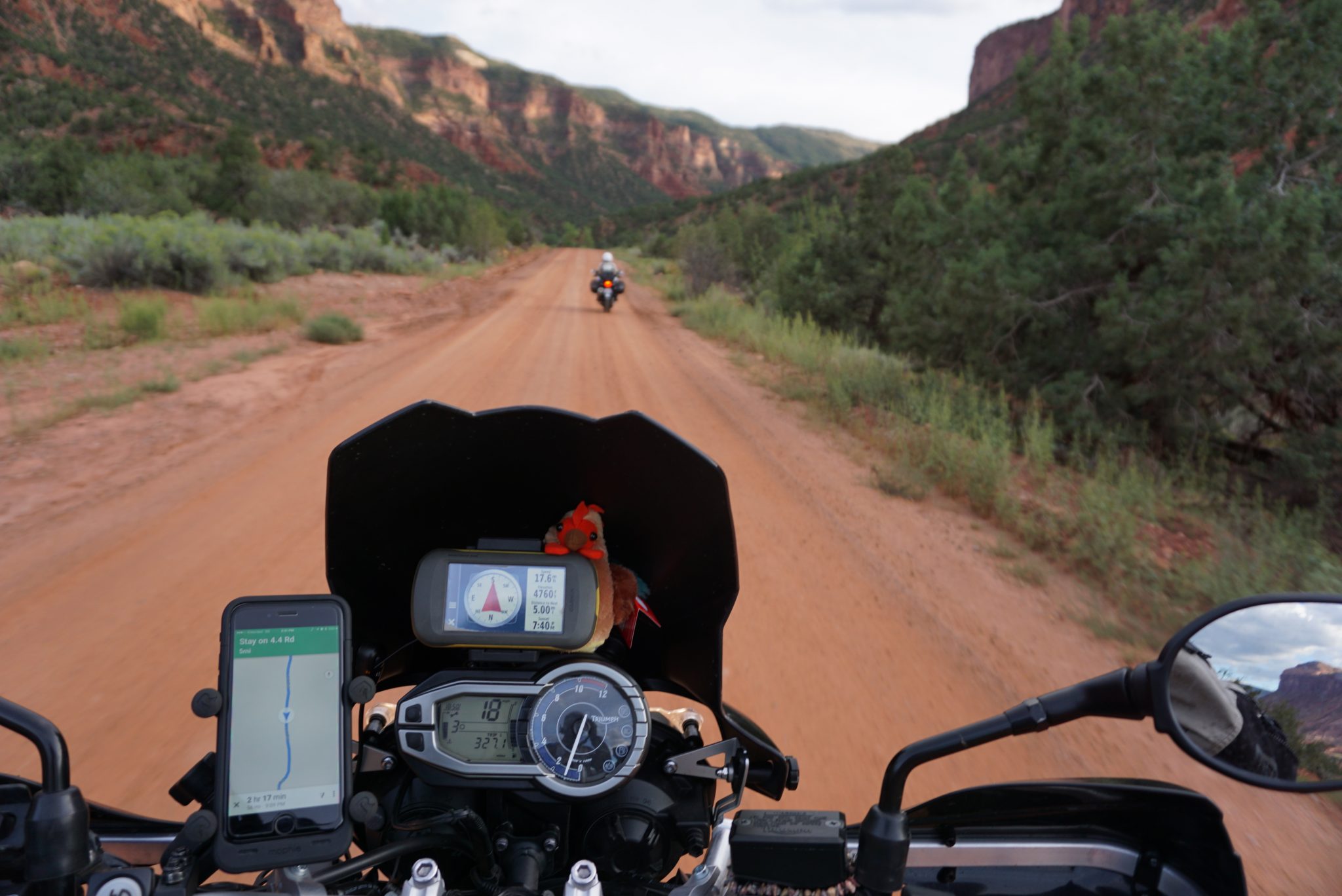
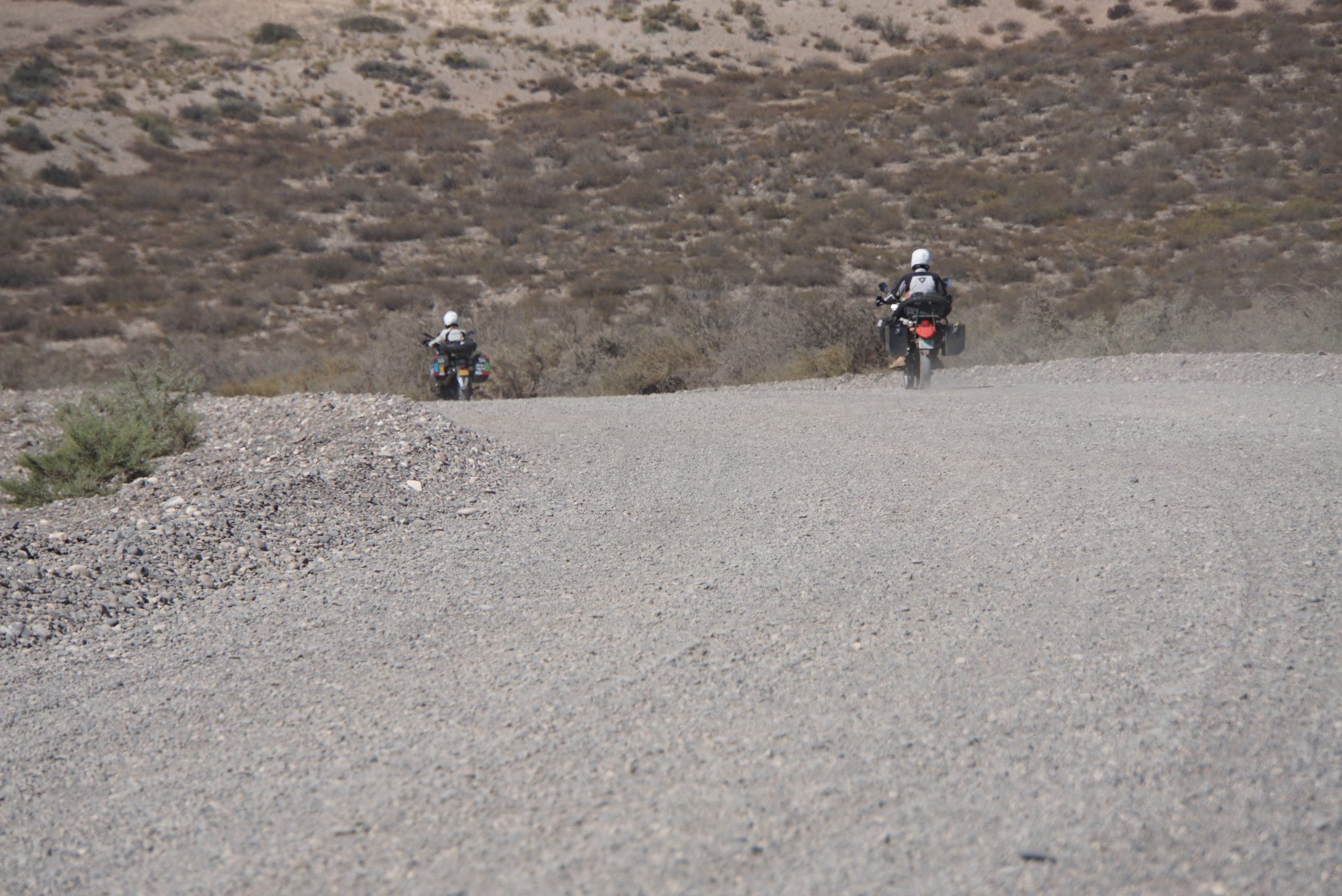
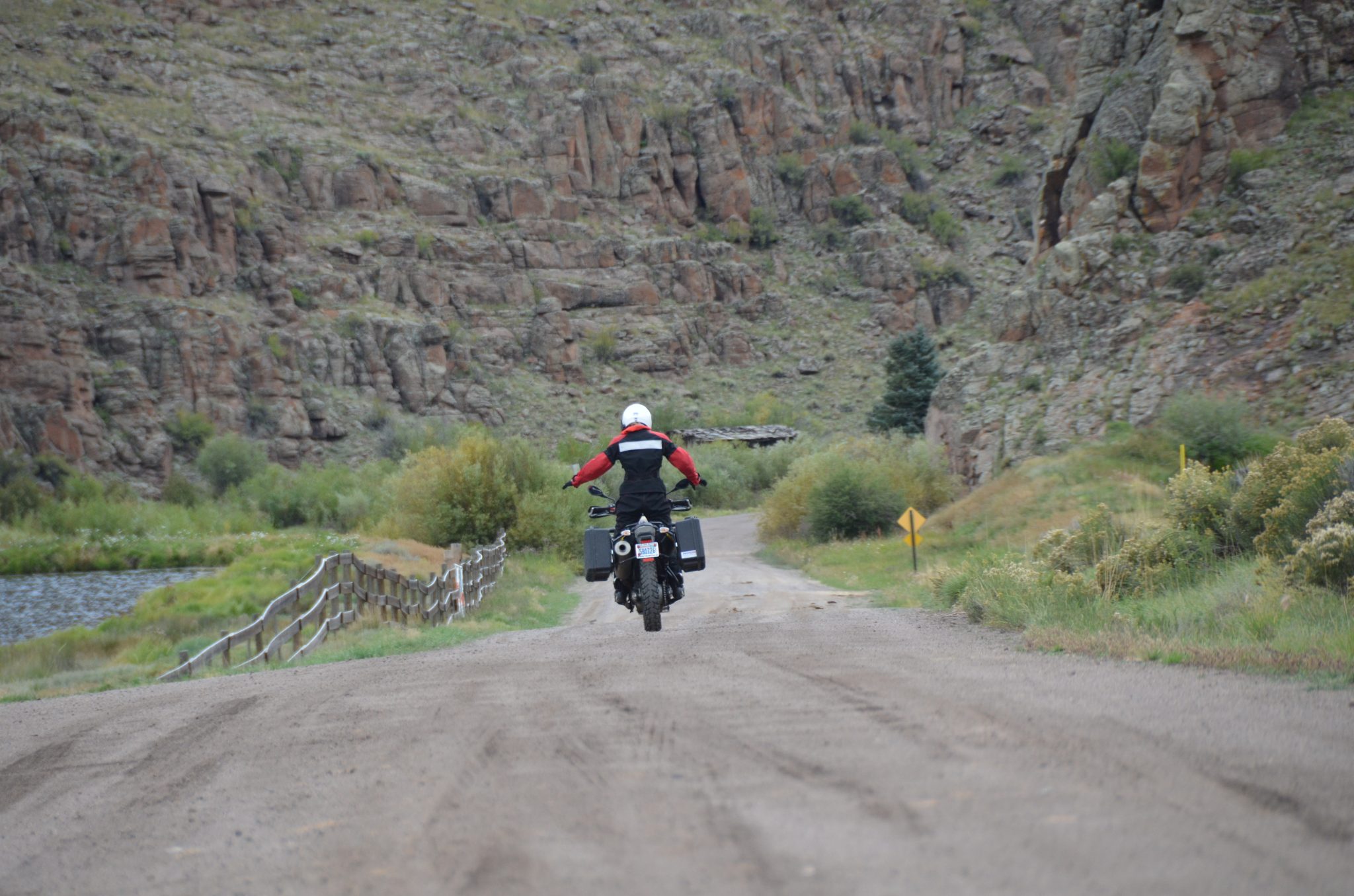
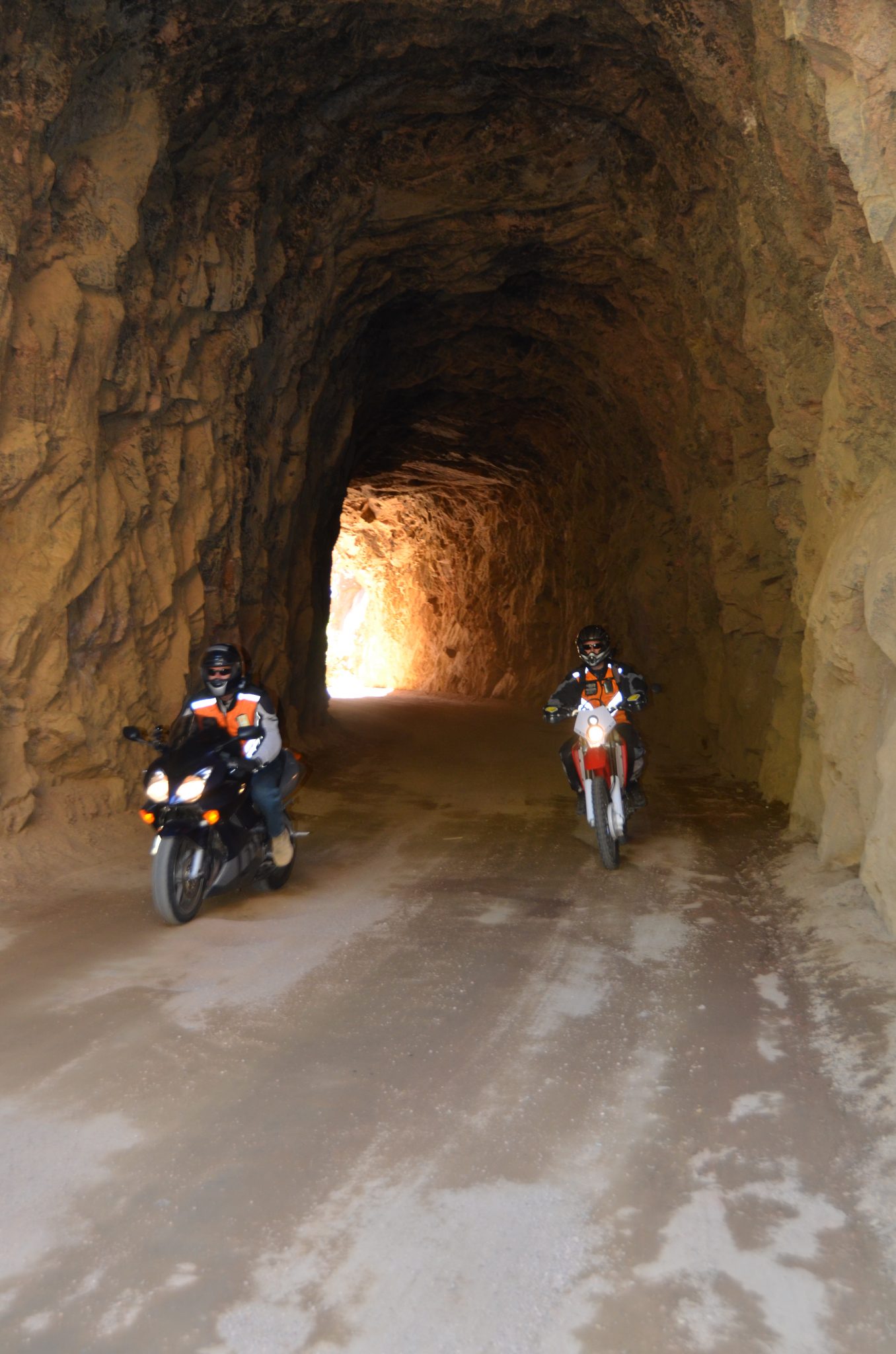
The novice level begins for most riders before they ever consider adventure riding. Gravel driveways, road construction with hardpacked gravel or dirt and well-maintained dirt/gravel roads is where this level starts. These types of terrain features are easily managed on a street motorcycle with street tires and do not require any specific off-road riding skills.
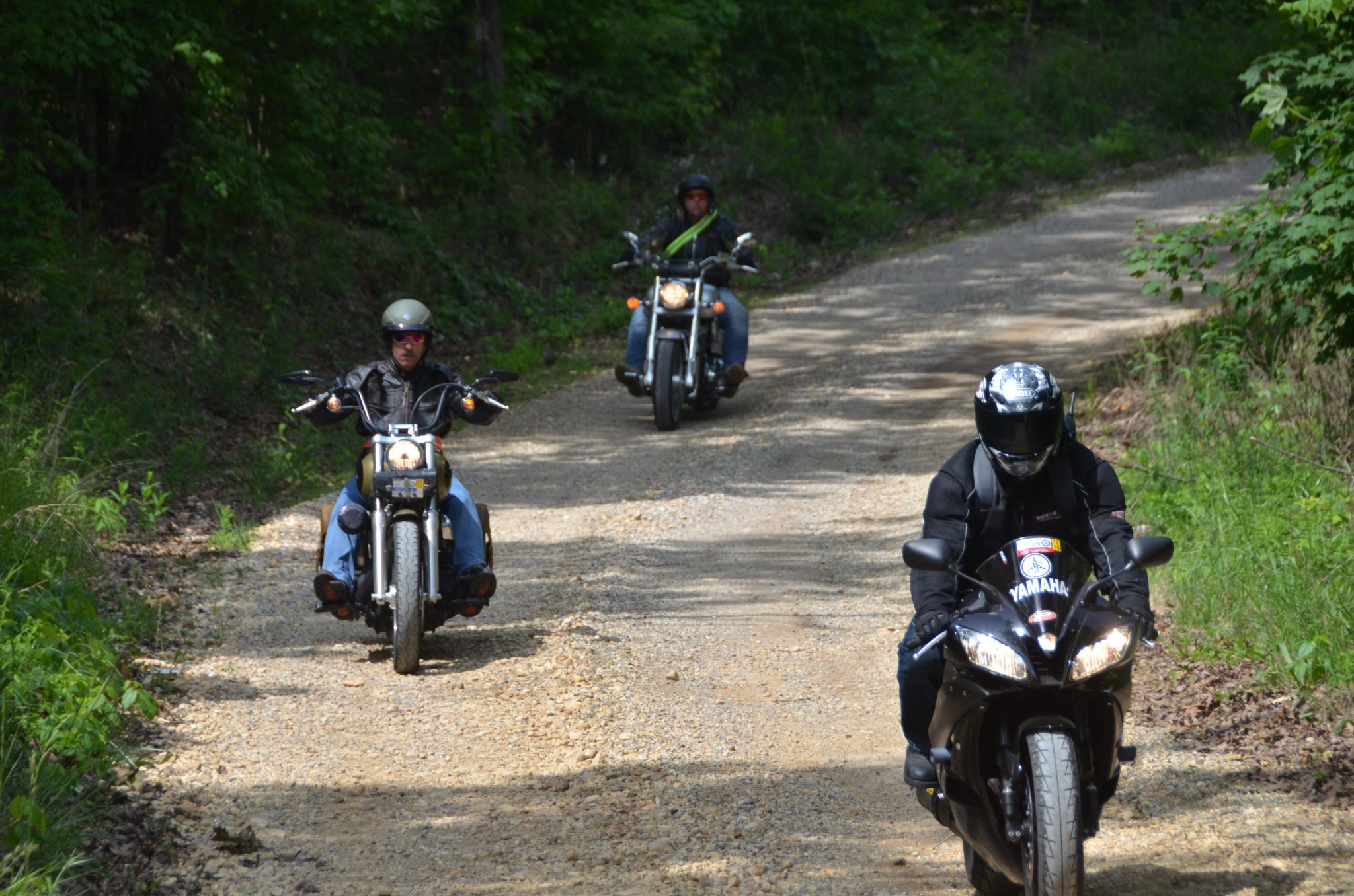

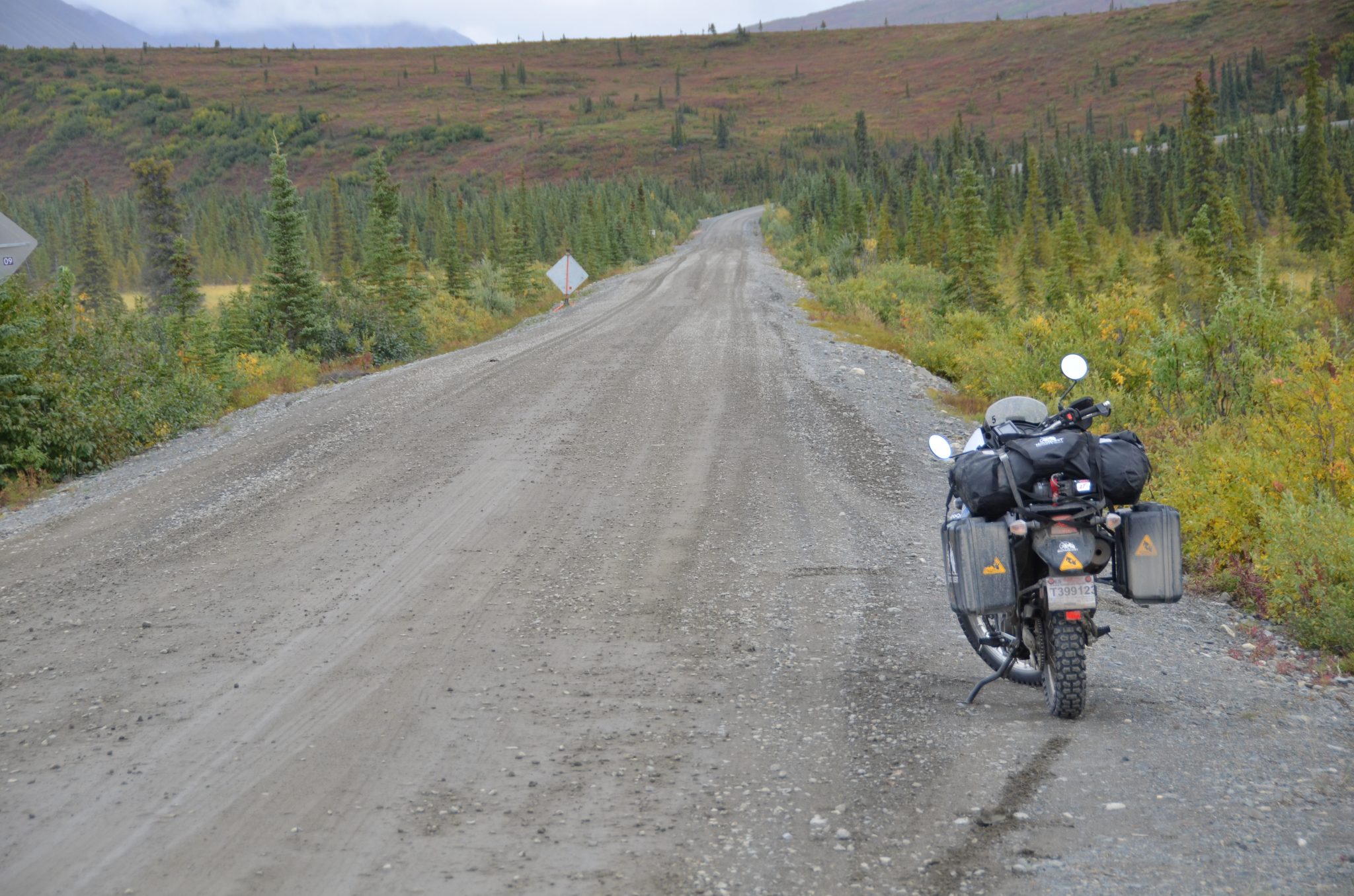
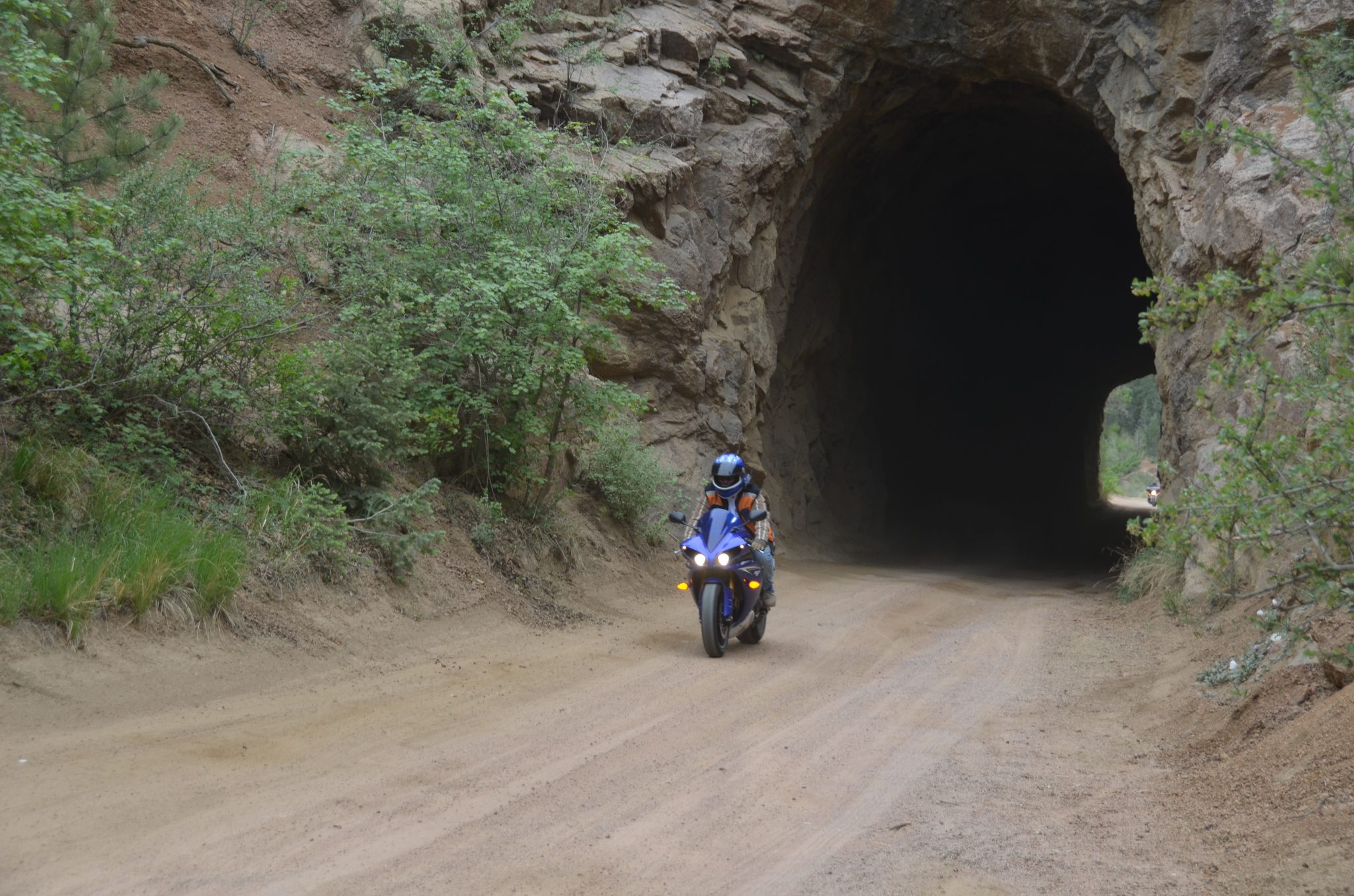
Features
- Old or poorly-maintained paved roads
- Maintained/graded gravel or dirt roads
- Sticks or small tree limbs
- Water crossings less than 2" (5cm) deep
- Modest inclines/declines (road-like grades)
To develop proficiency on novice terrain, consider taking one of Bret’s adventure training courses or similar training schools.

Class 2: BASIC
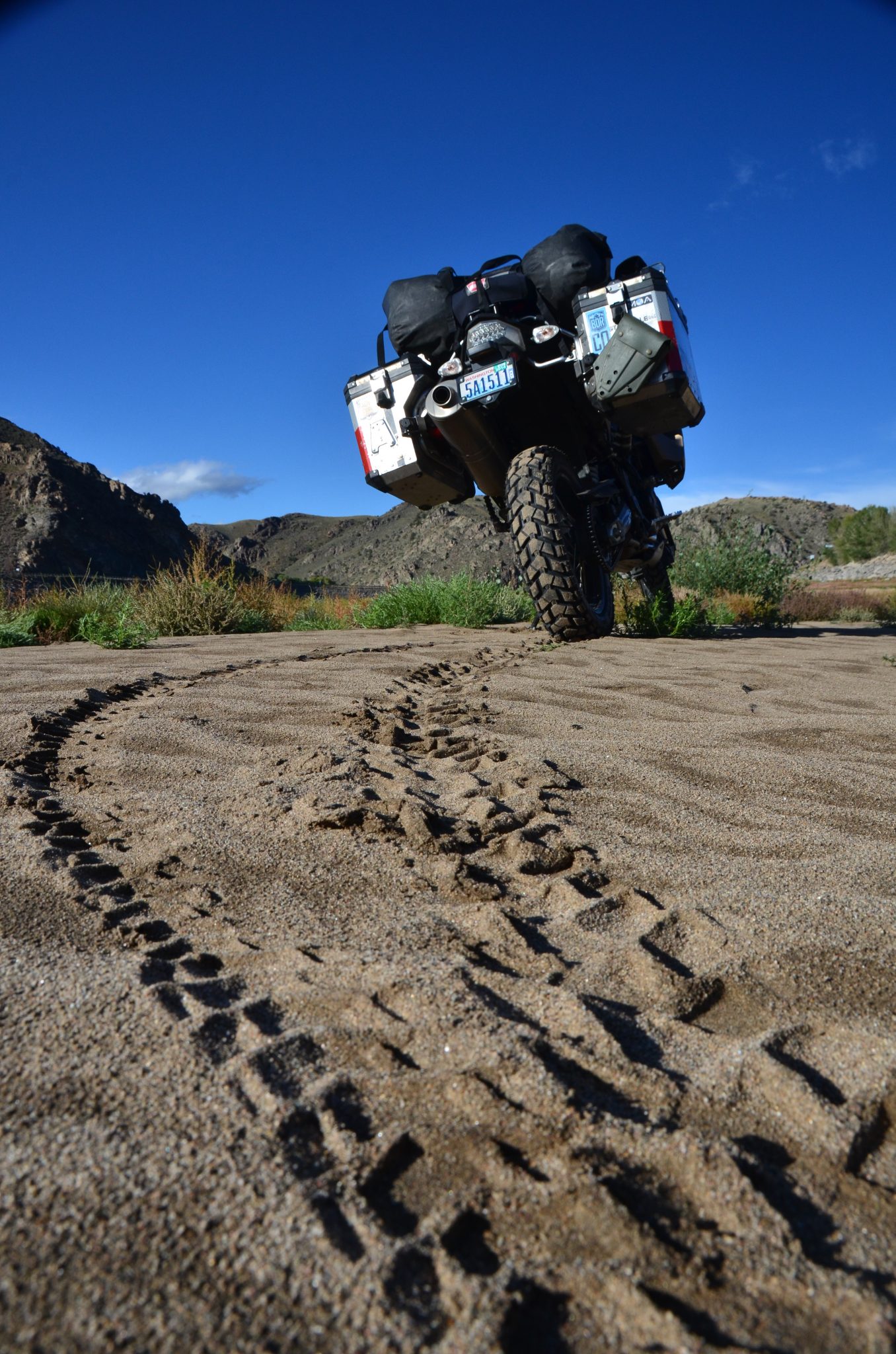
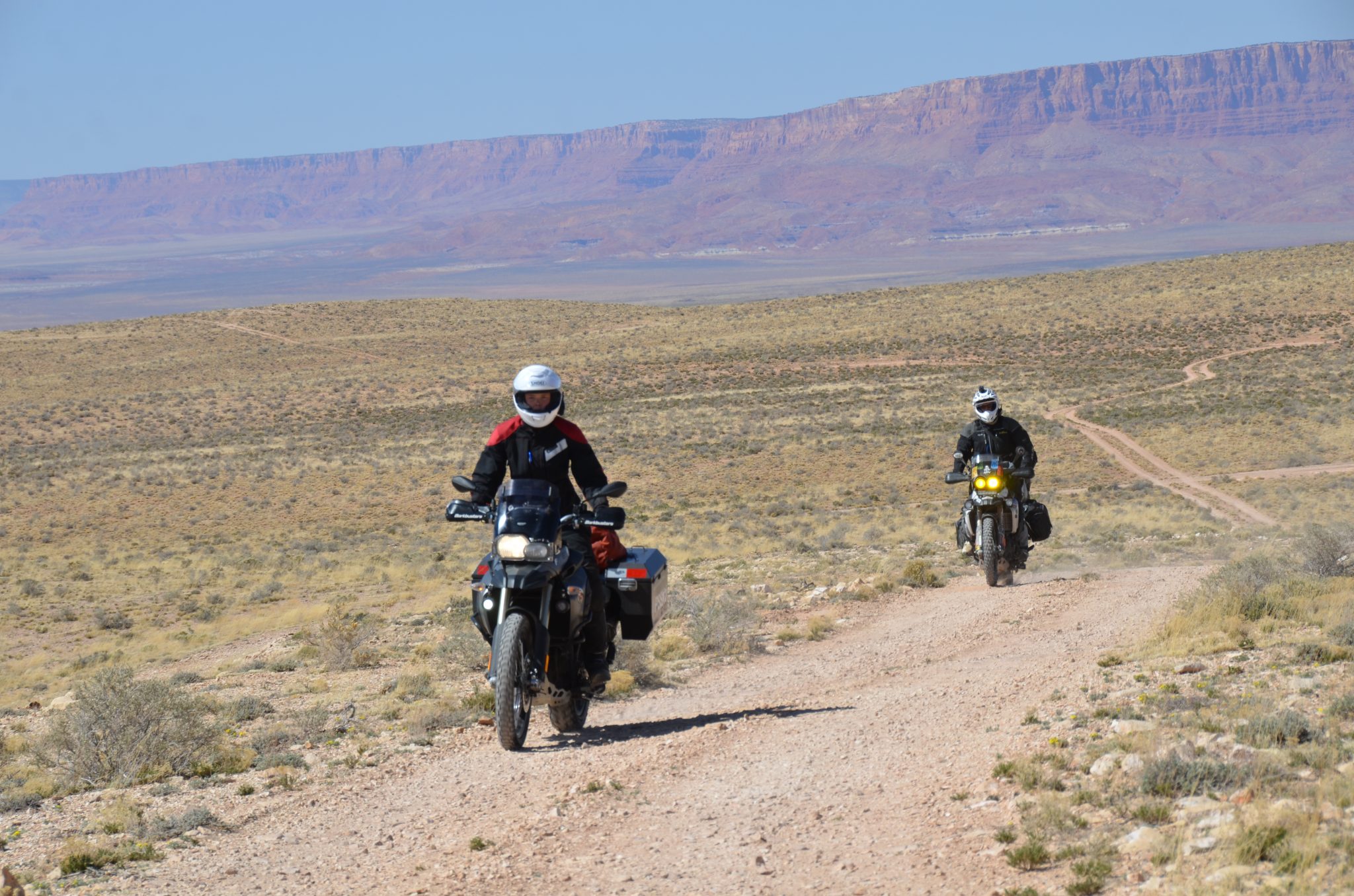
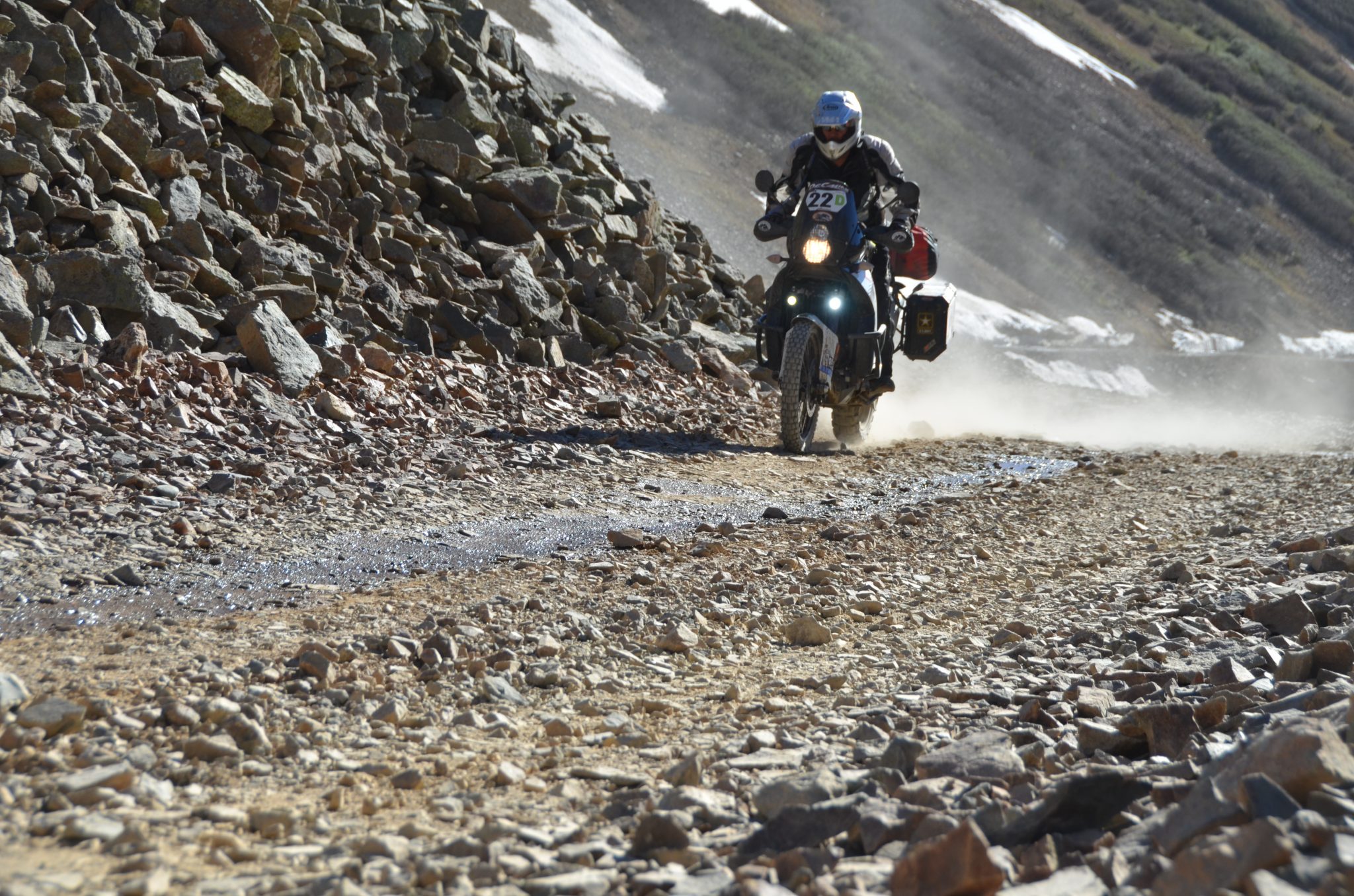
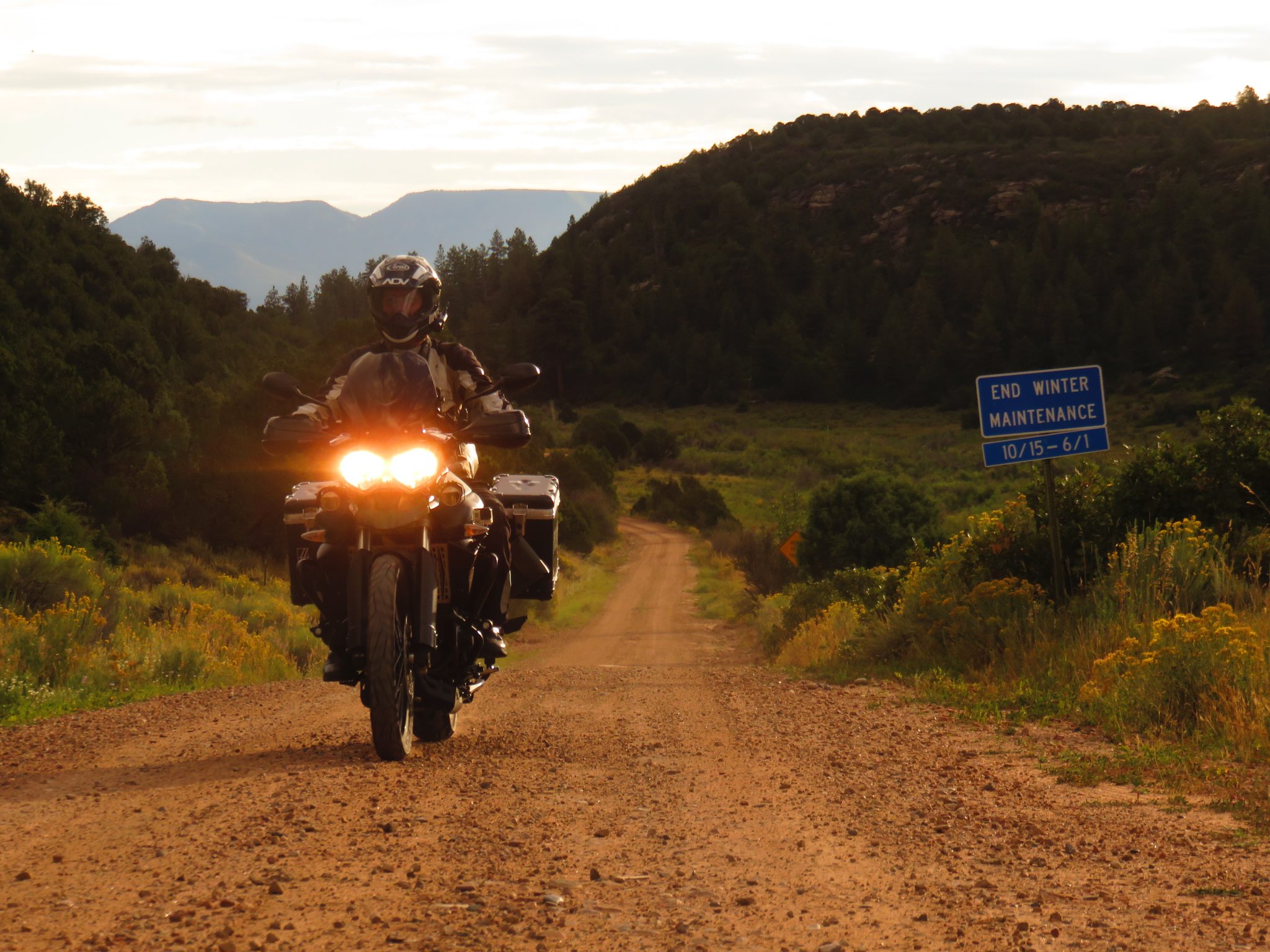
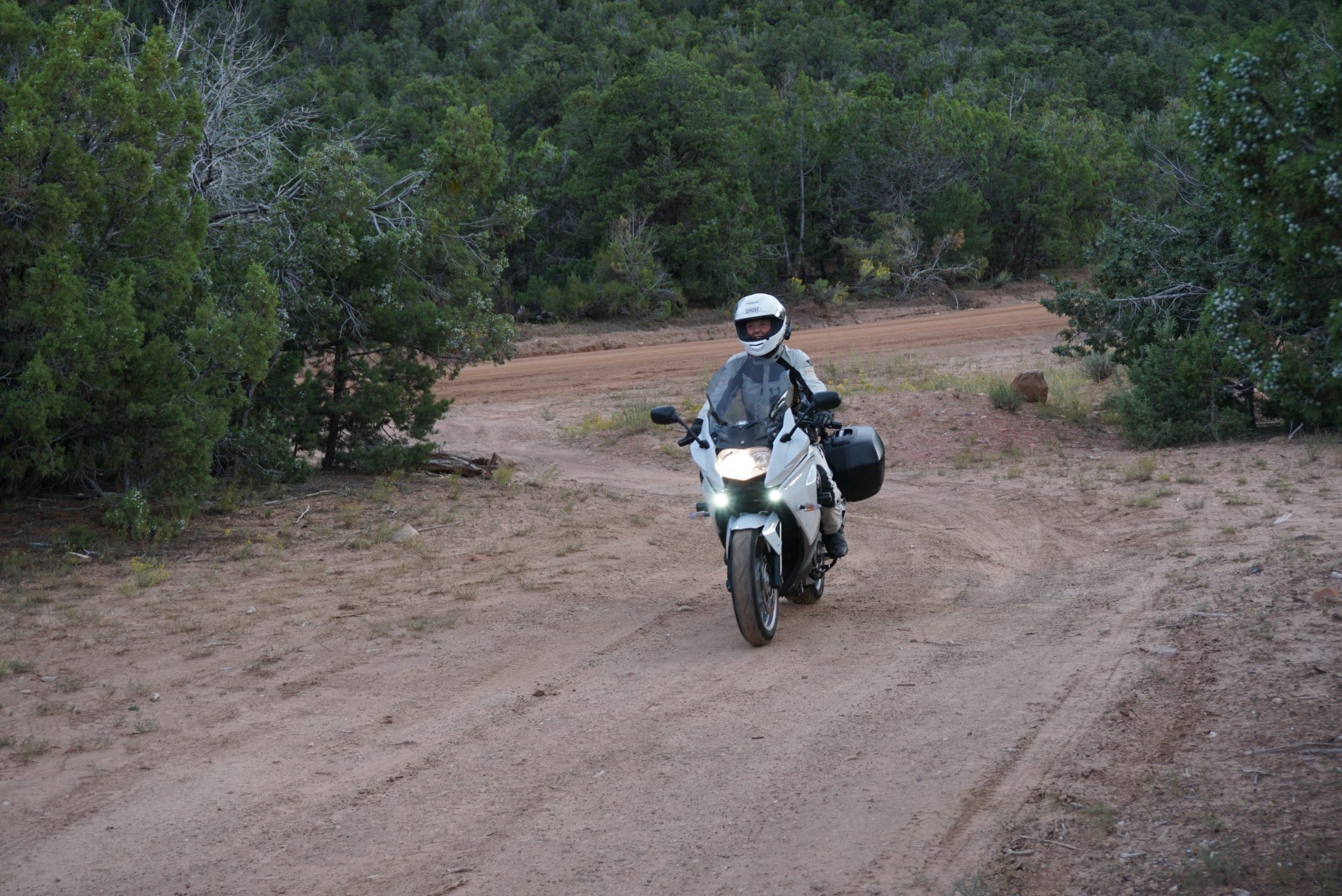
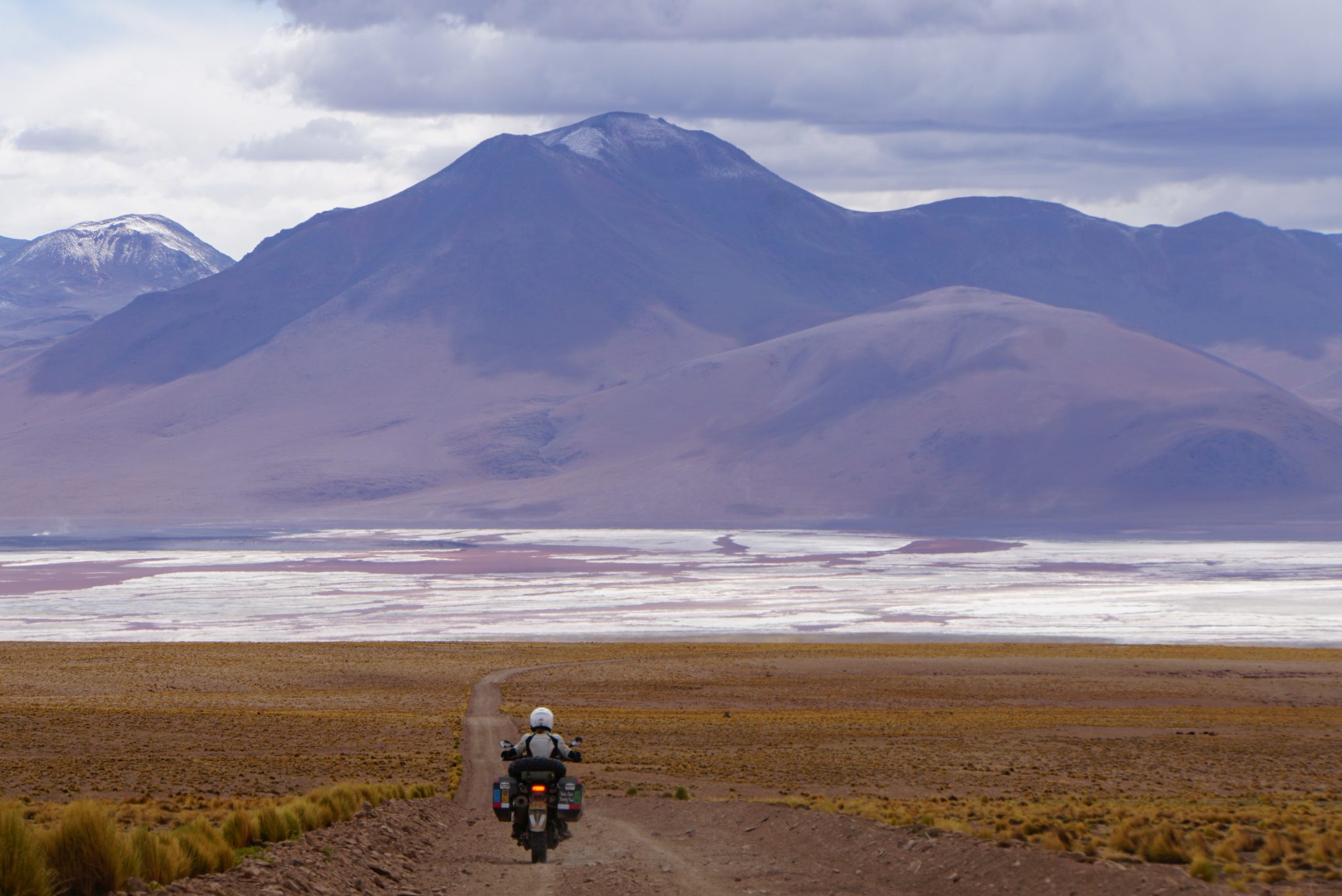
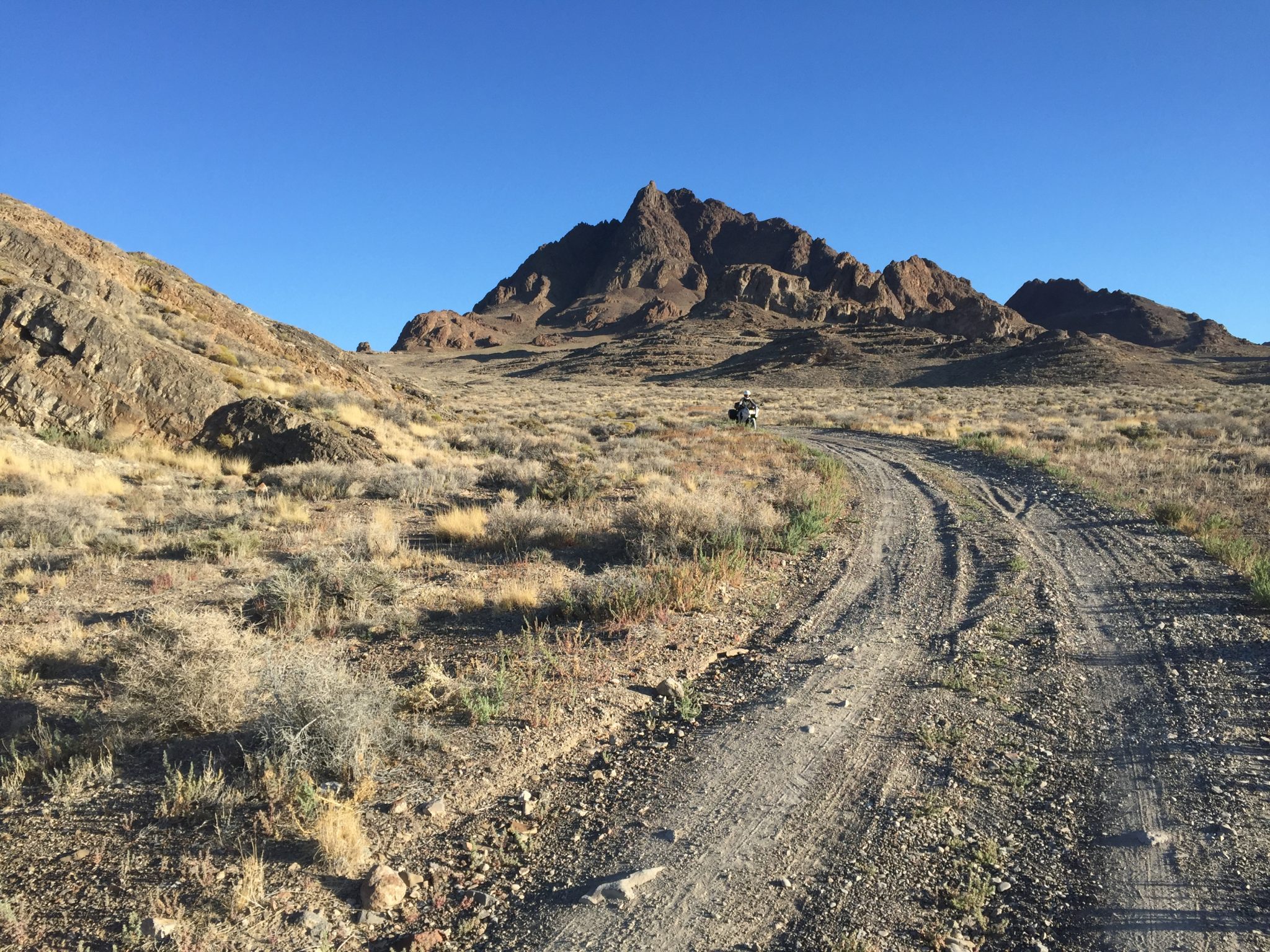
Basic terrain is the most common terrain for ADV riders of all levels. This terrain could easily be driven in a standard car. Basic ADV terrain typically consists of simple, predictable features with occasional challenges for traction, or obstacles that would require a rider to slow down before crossing.

Features
- Full lane or two-track graded dirt/gravel roads
- Wide, shallow ruts
- Packed sand
- Washboard or minor water bars
- Obstacles or ledges less than 4" (10cm) high
- Sections of loose rock less than 3” (8cm) deep
- Patches of soft gravel, shallow sand, or surface mud
- Slow-moving water crossings less than 4" (10cm) deep
- Water crossings have a solid base
- Minimal loose, rolling rocks
- Light gravel with rain ruts
To develop proficiency on novice terrain, consider taking one of Bret’s adventure training courses or similar training schools.

Class 3: MODERATE
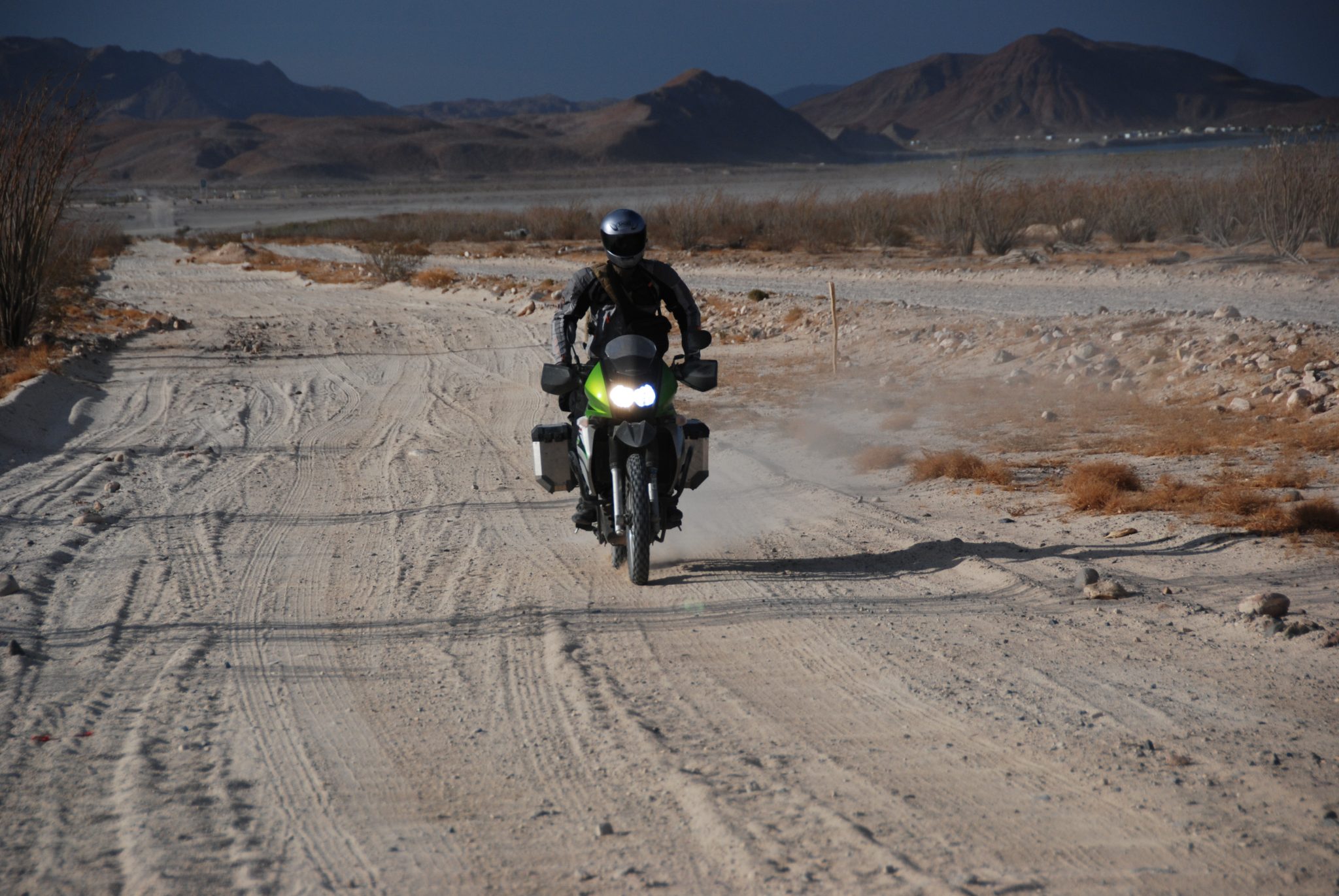
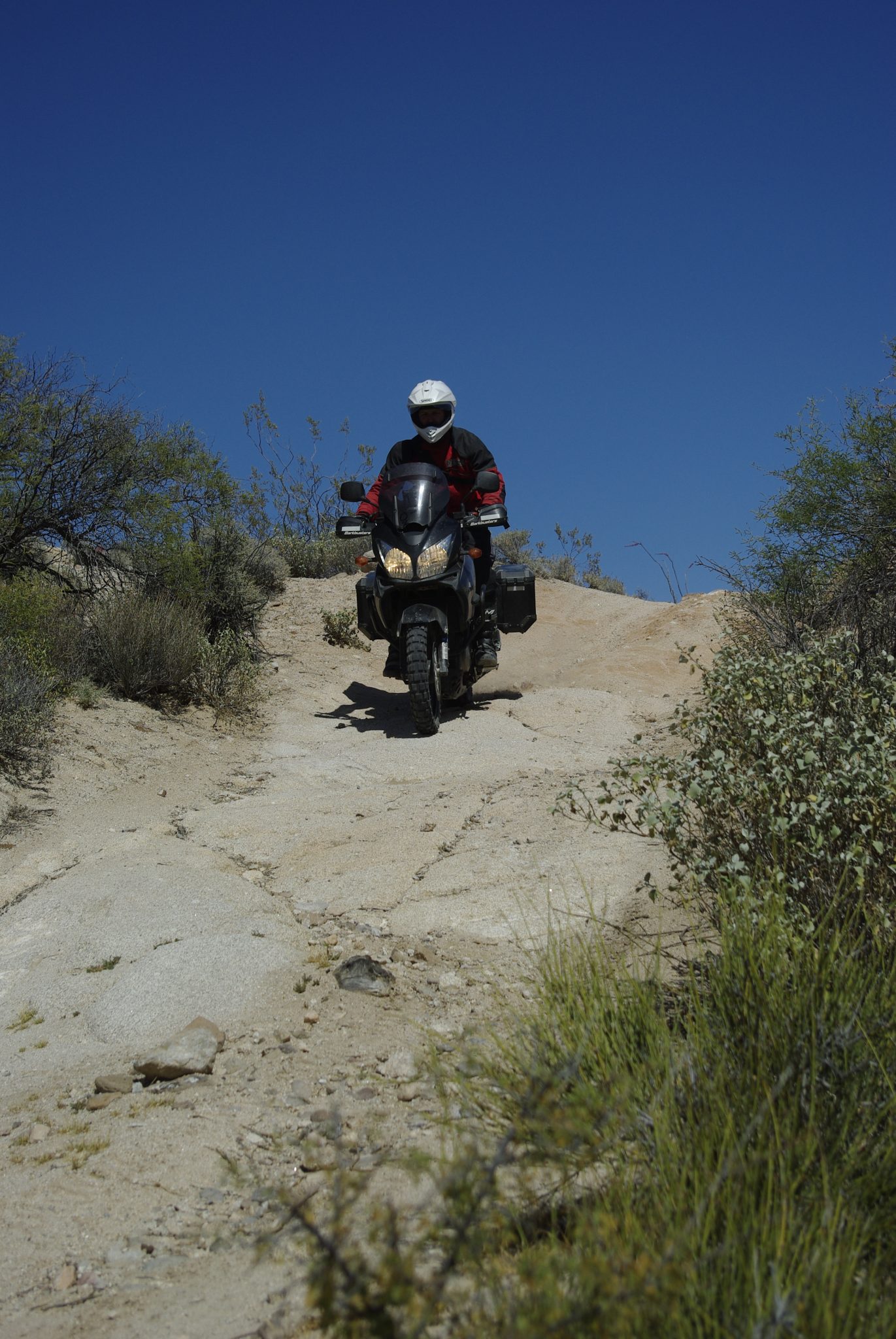
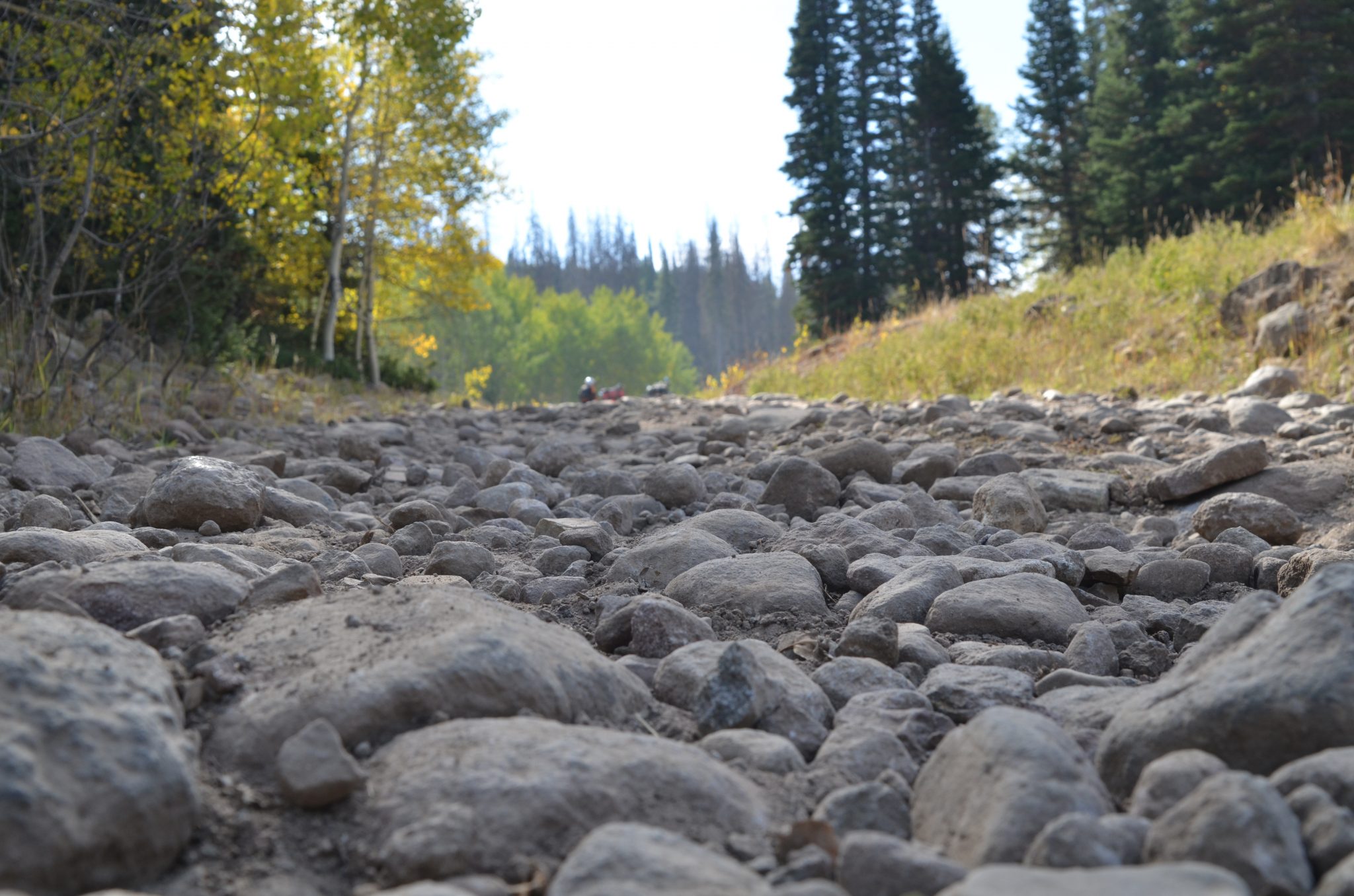
Moderate terrain is where proper training and off-road riding skills become important. Moderate terrain is often the most sought-out terrain by ADV riders when traveling. Seeking to become proficient at moderate terrain and reach the level of intermediate rider is a worthy goal. Moderate terrain is also where techniques such as standing and precise clutch control are required to reach a proficient status.
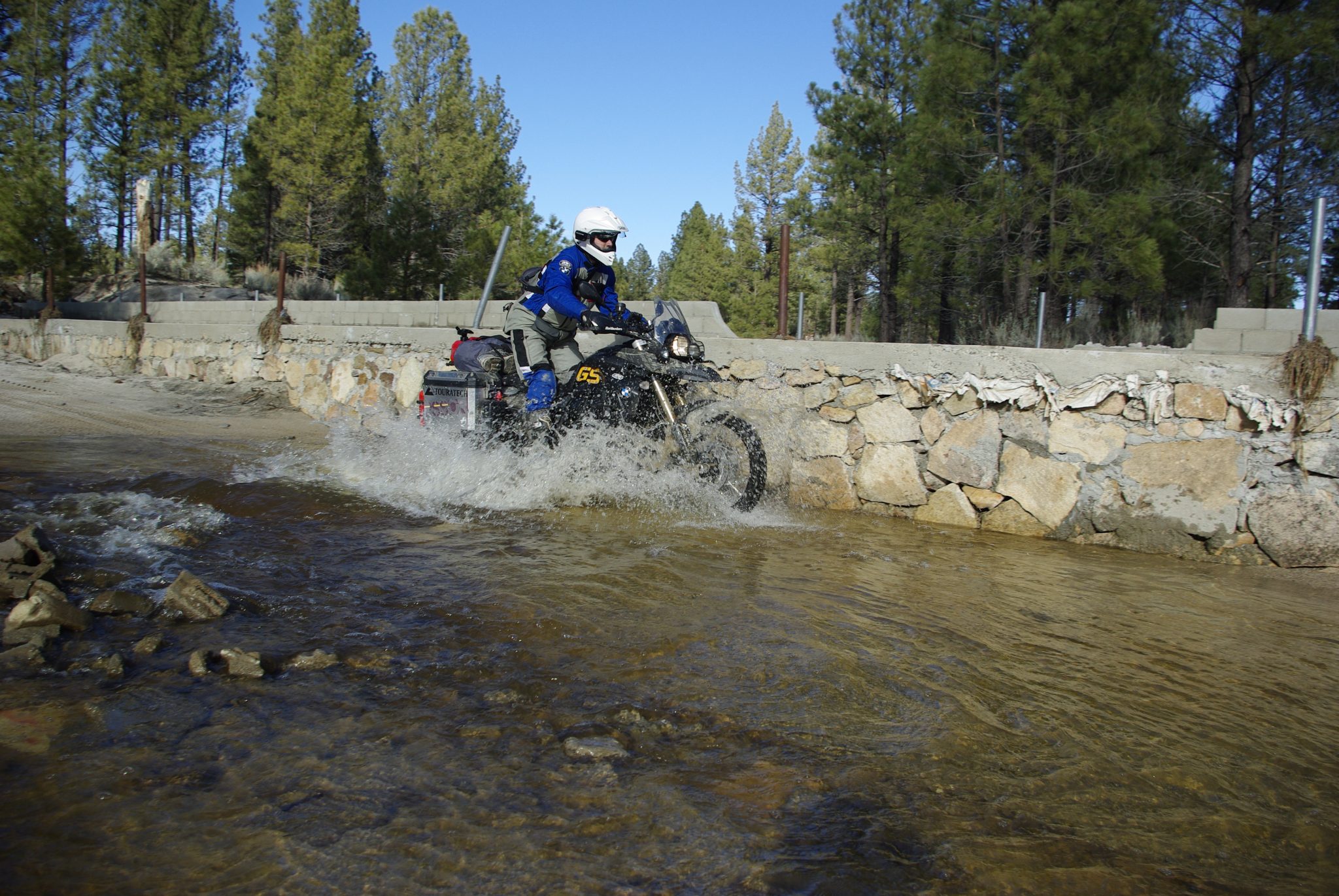
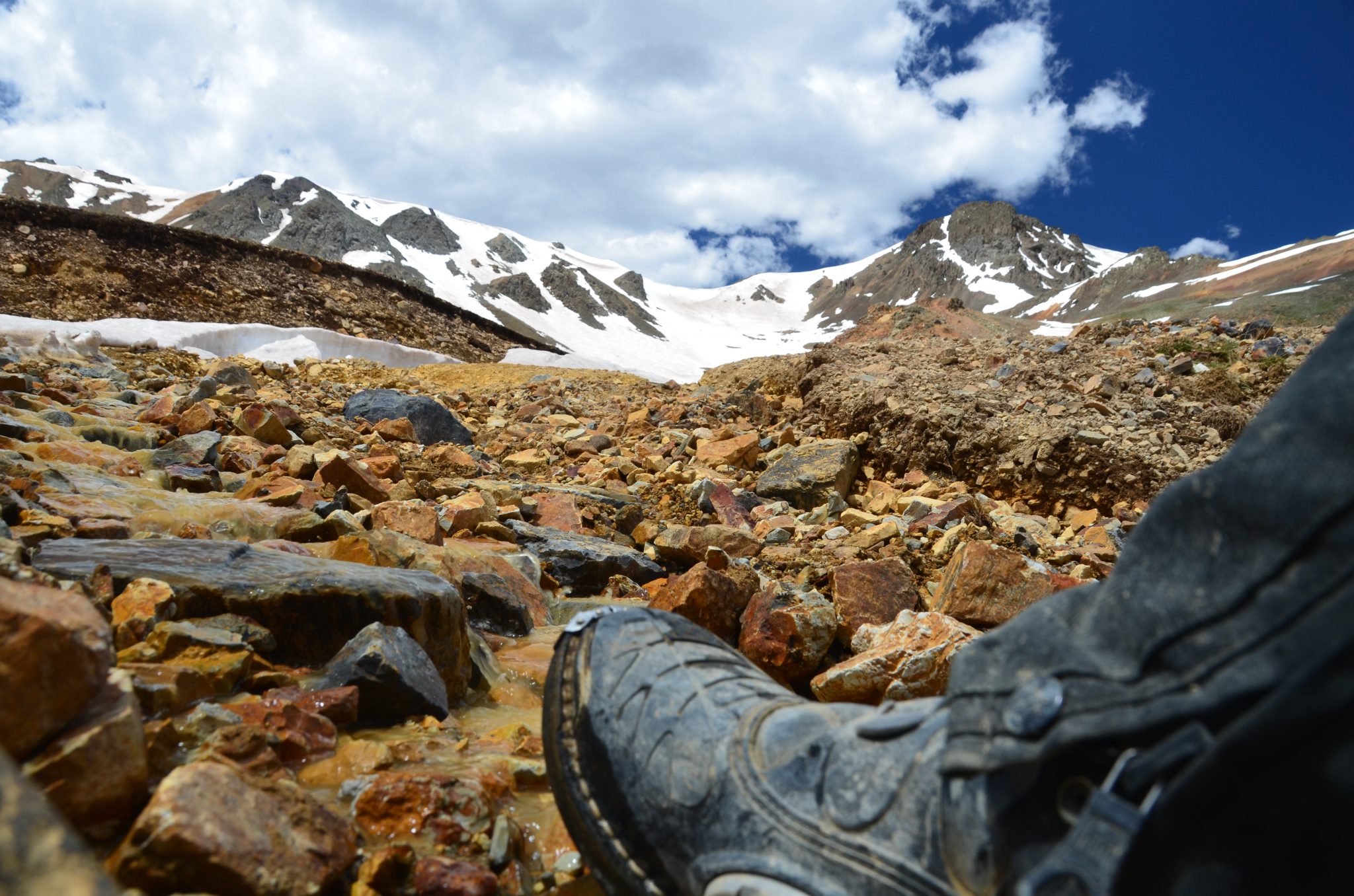
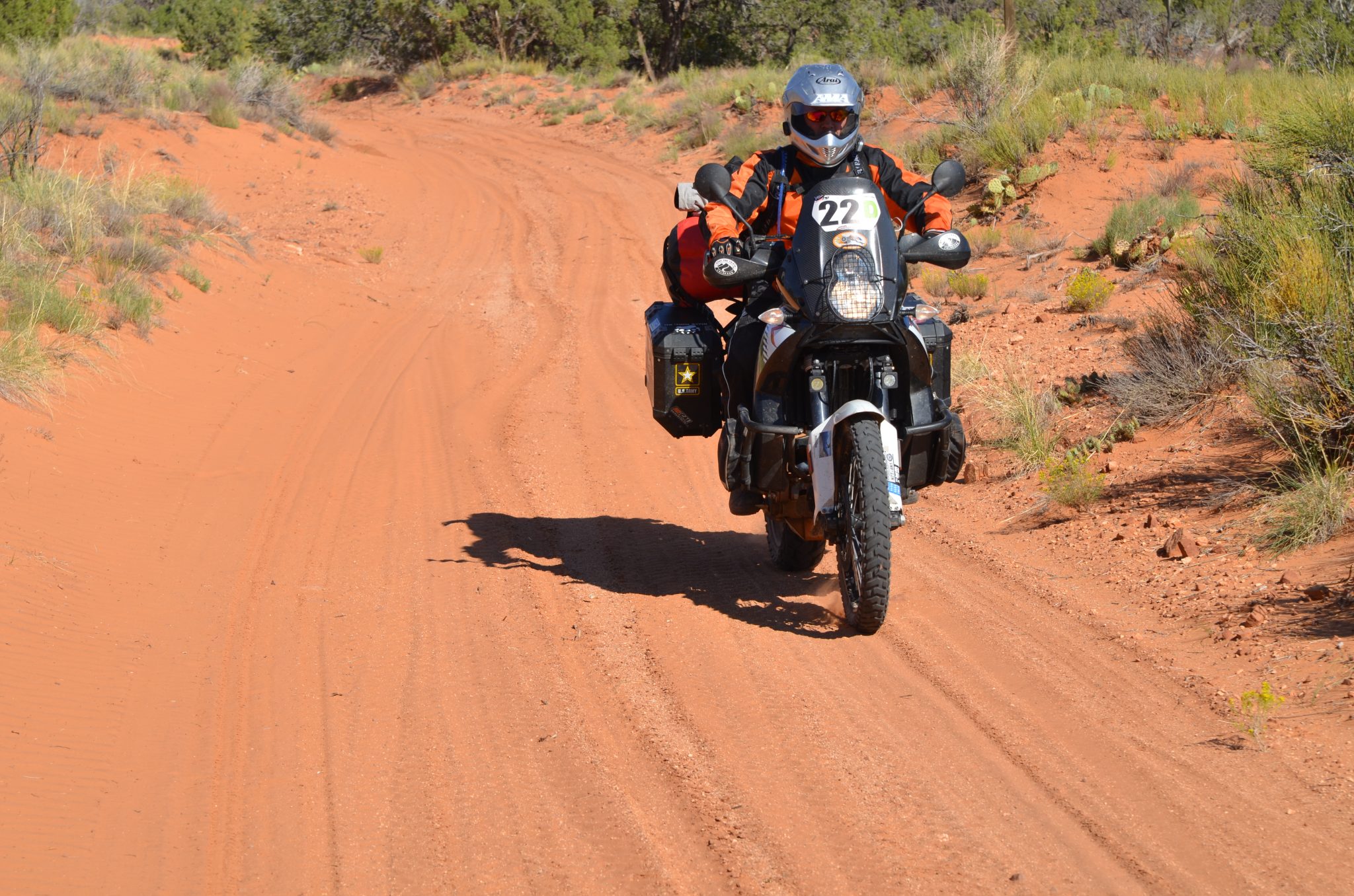
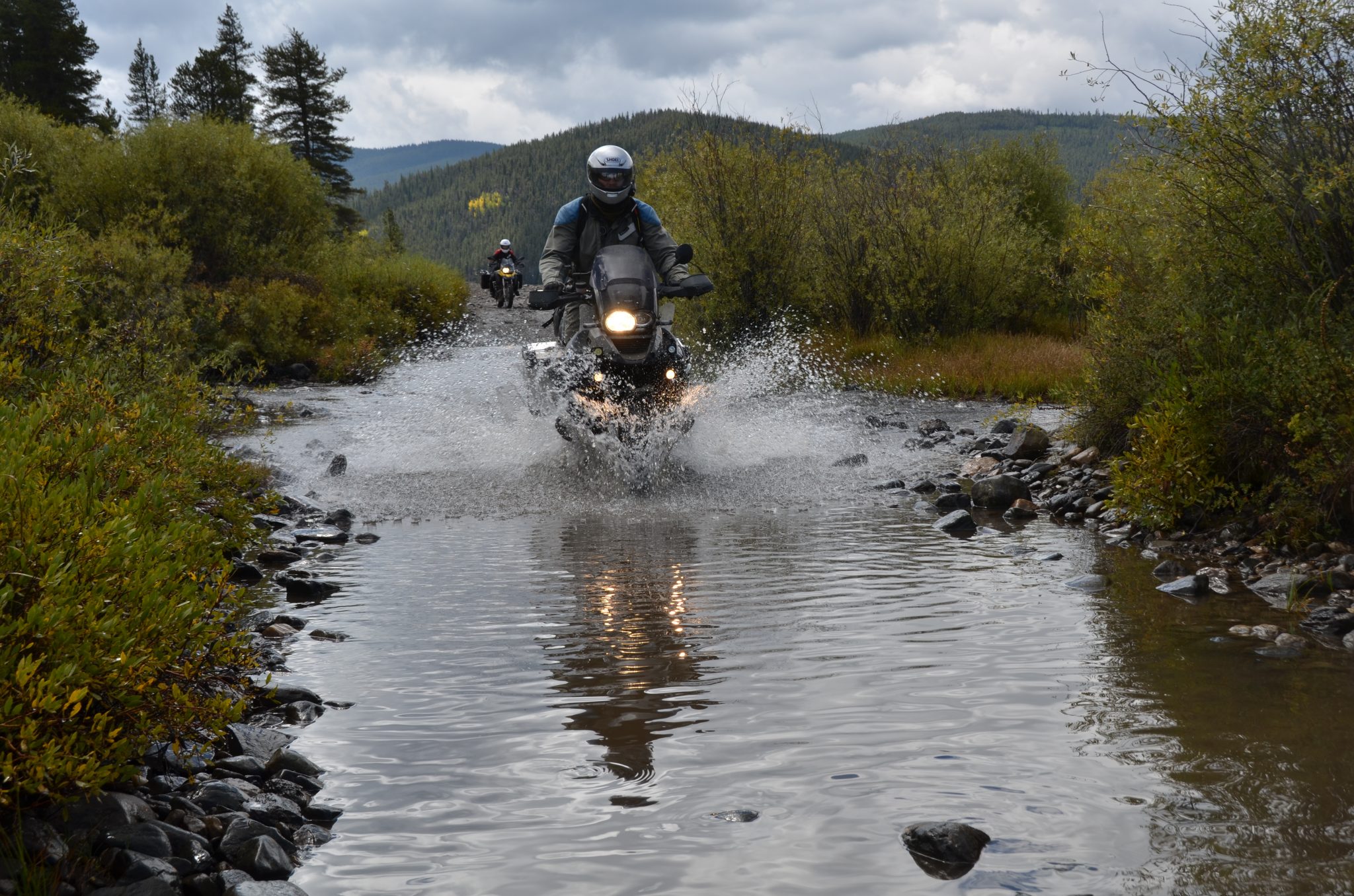

Features
- Dry, narrow single-track ruts
- Sections of shallow mud
- Soft surface gravel (fresh road gravel)
- Patches of soft sand less than 100 ft. (30m) long
- Wet grass
- Obstacles up to 6" (15cm) high
- Water crossings with a mud or loose rock base
- Water crossings under 6" (15cm) deep
- Single-lane switchbacks
- Loose rock patches less than 5" (13cm) diameter on inclines
- Ledges less than 4” (10cm) on inclines
- Ledges less than 6” (15cm) on declines
To develop proficiency on moderate terrain, consider taking one of Bret’s adventure training courses or a challenge course. You can also attend other similar training schools.

Class 4: DIFFICULT
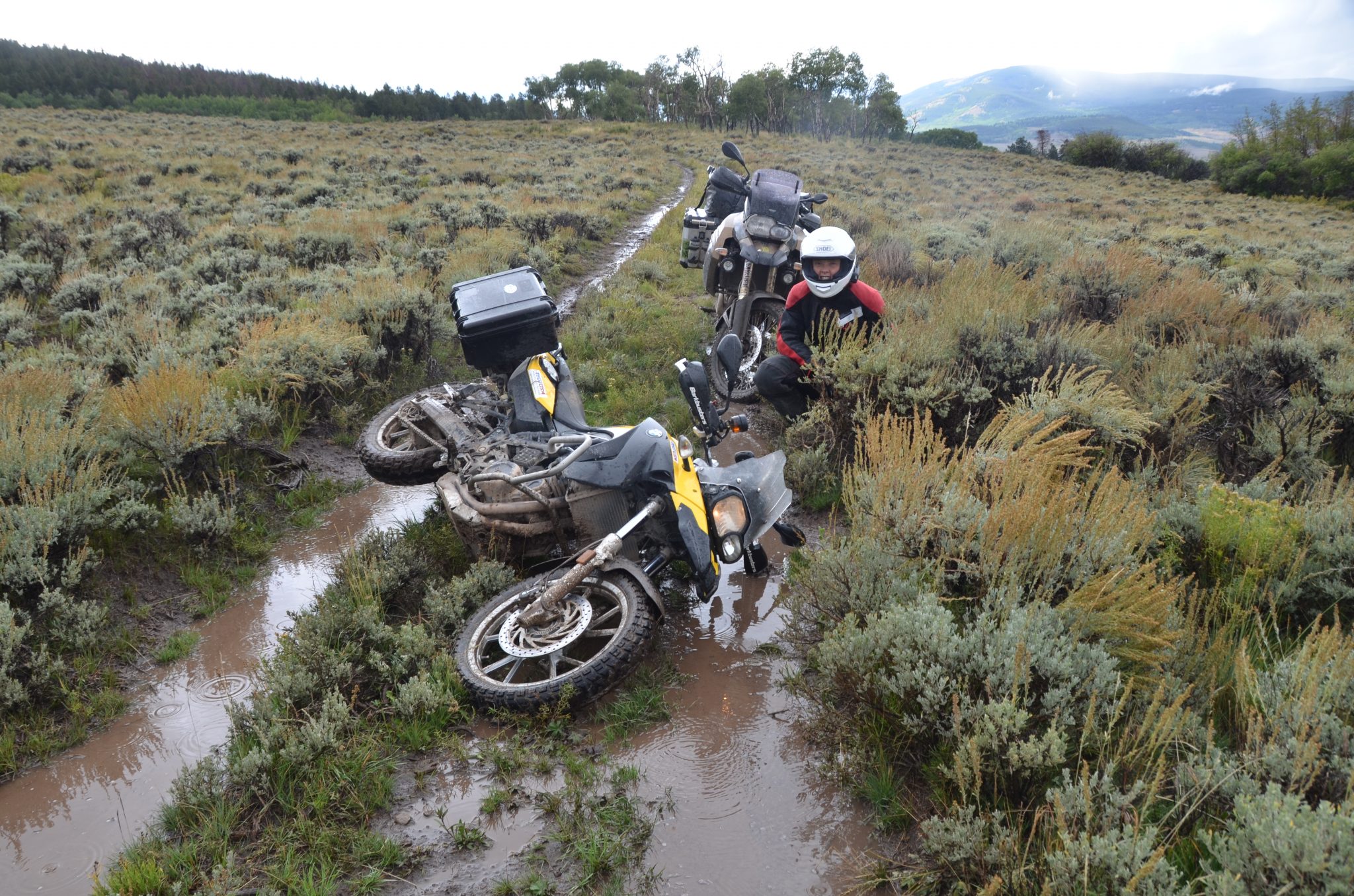
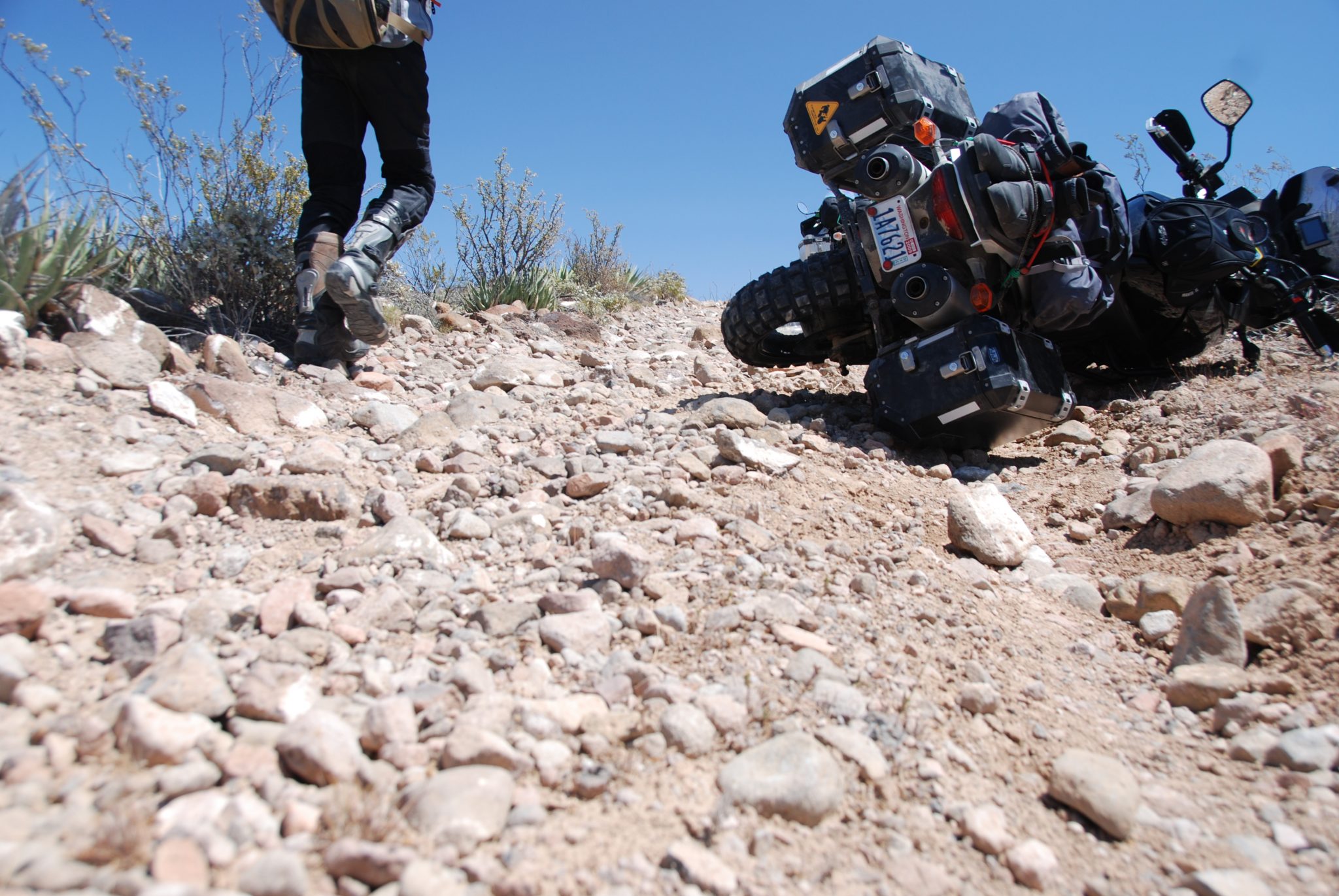
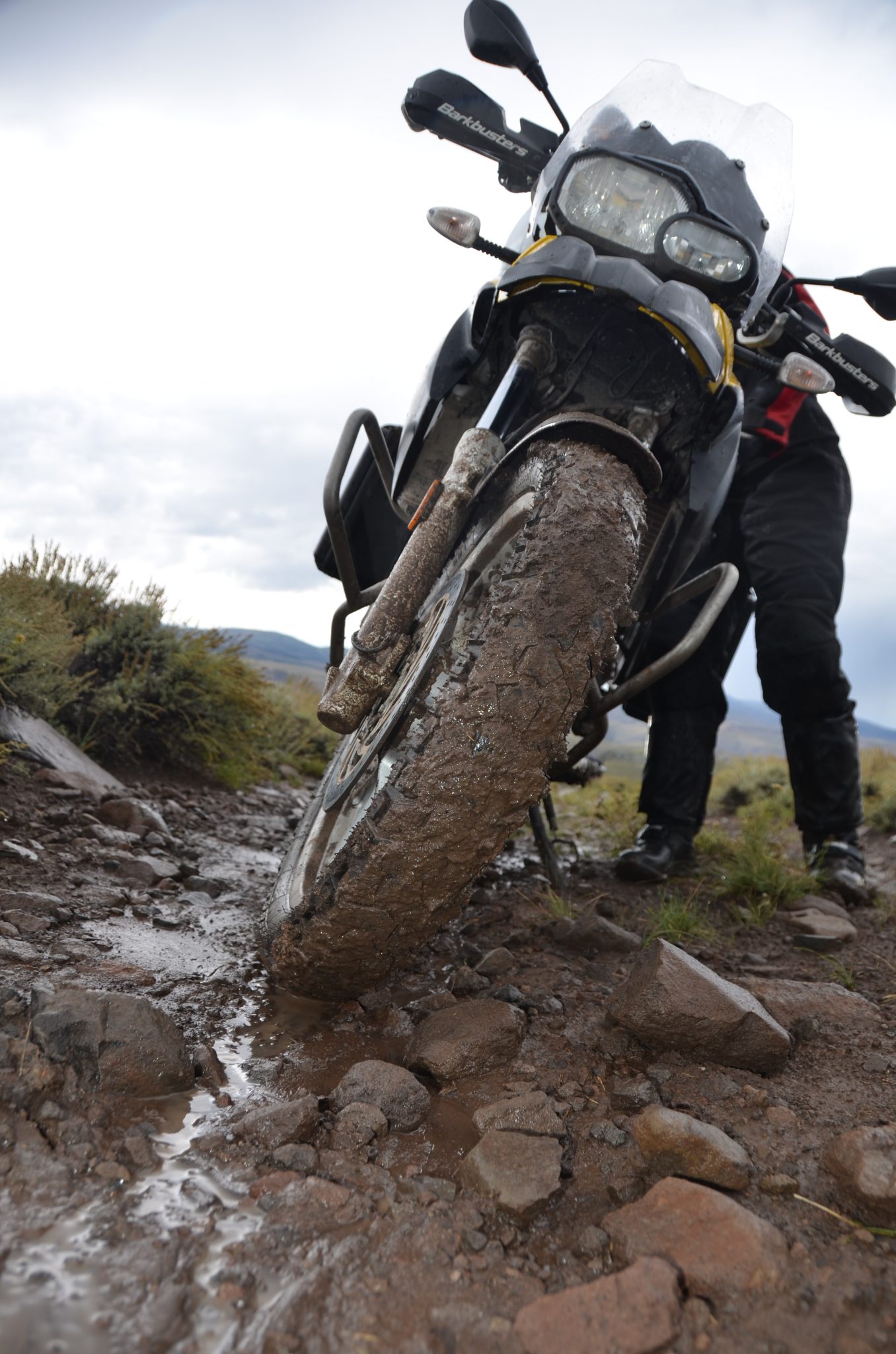
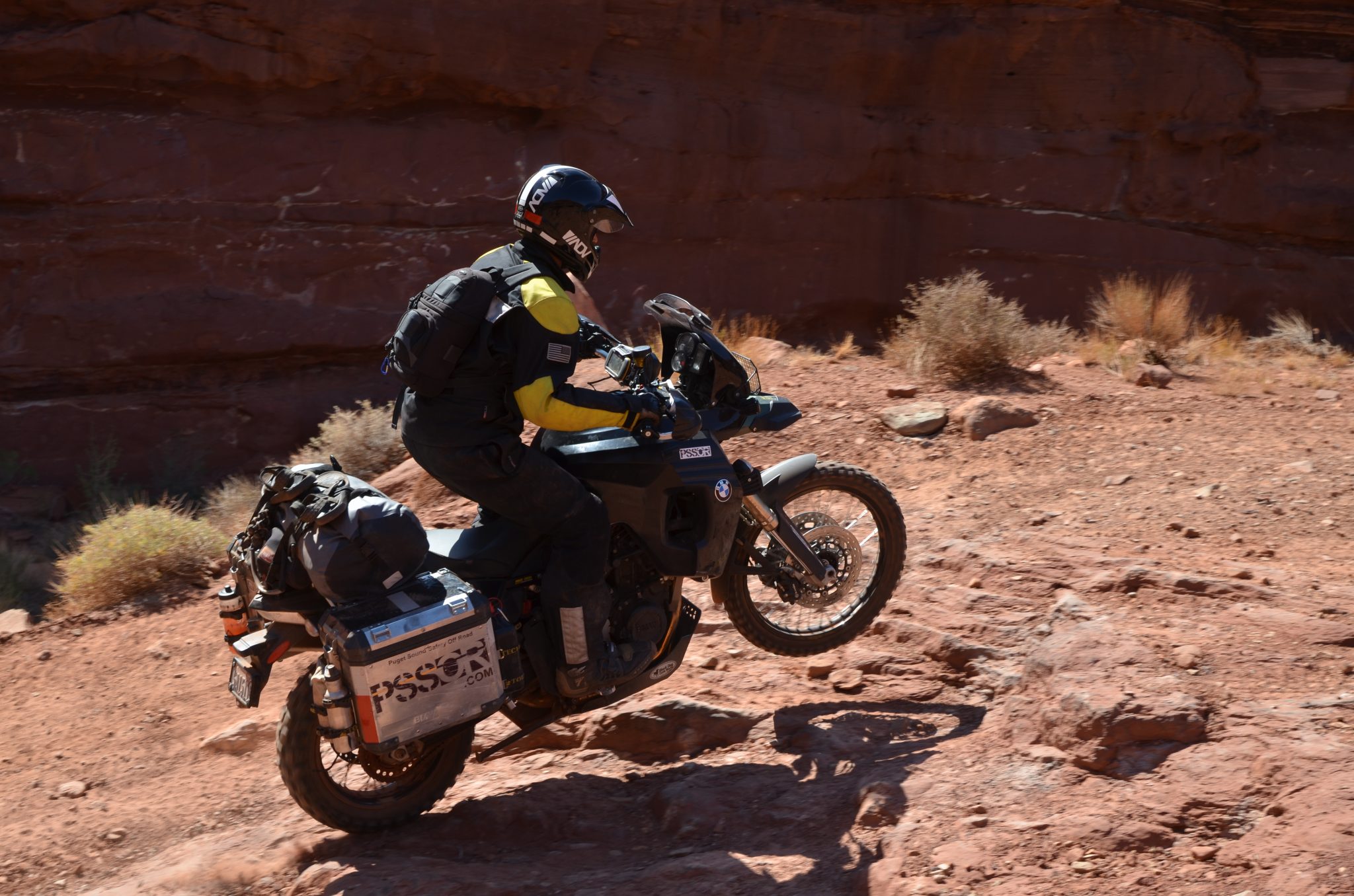
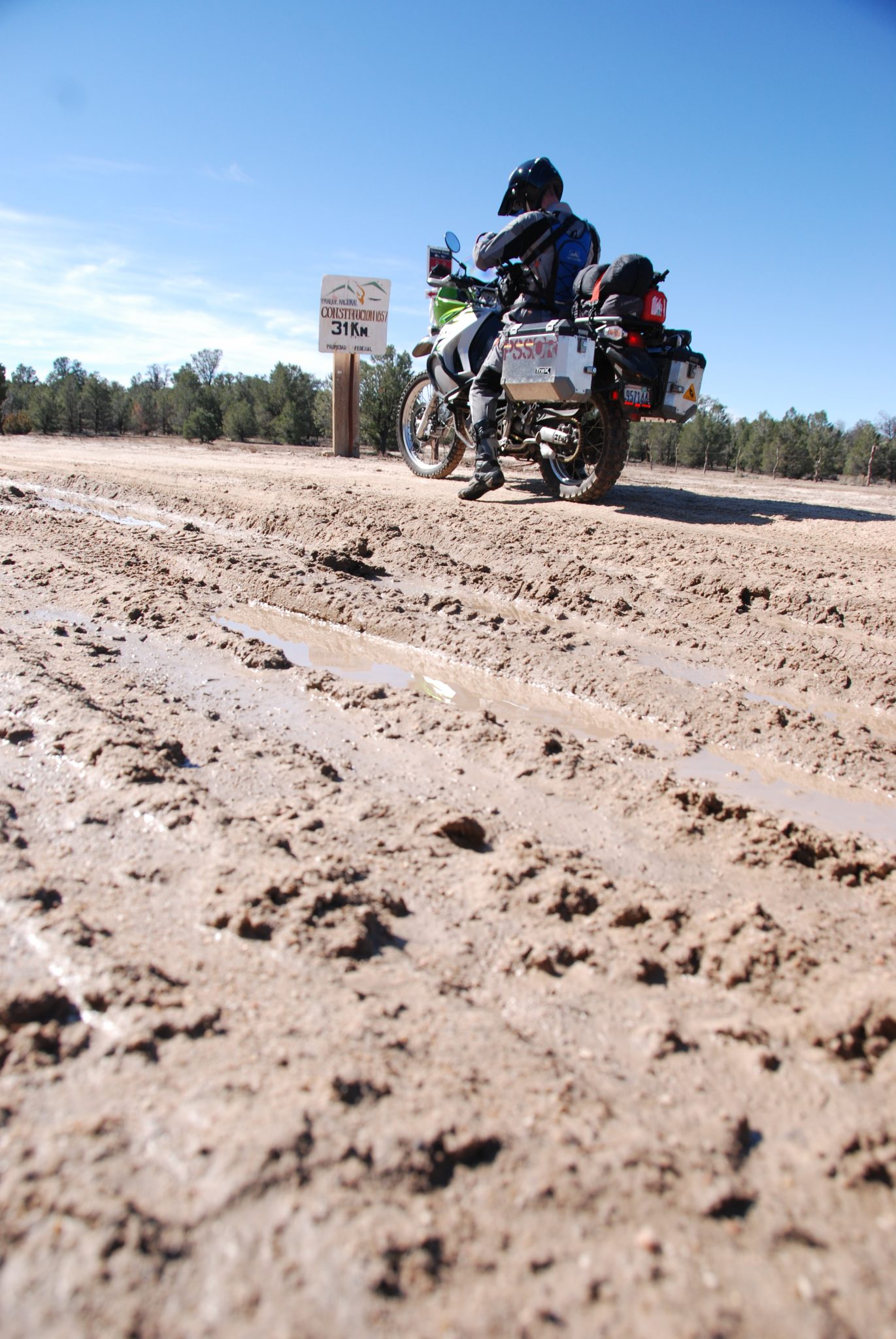
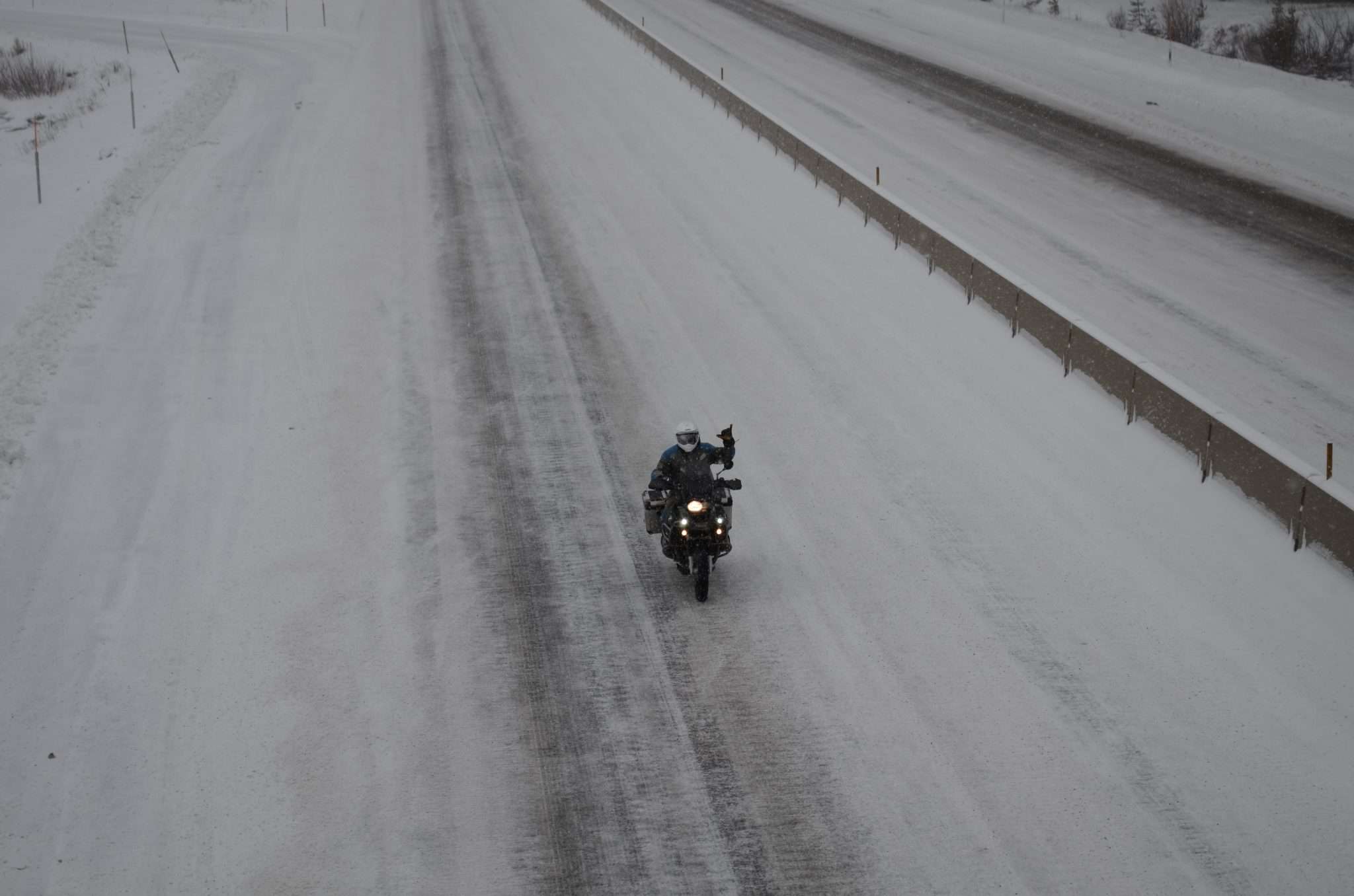
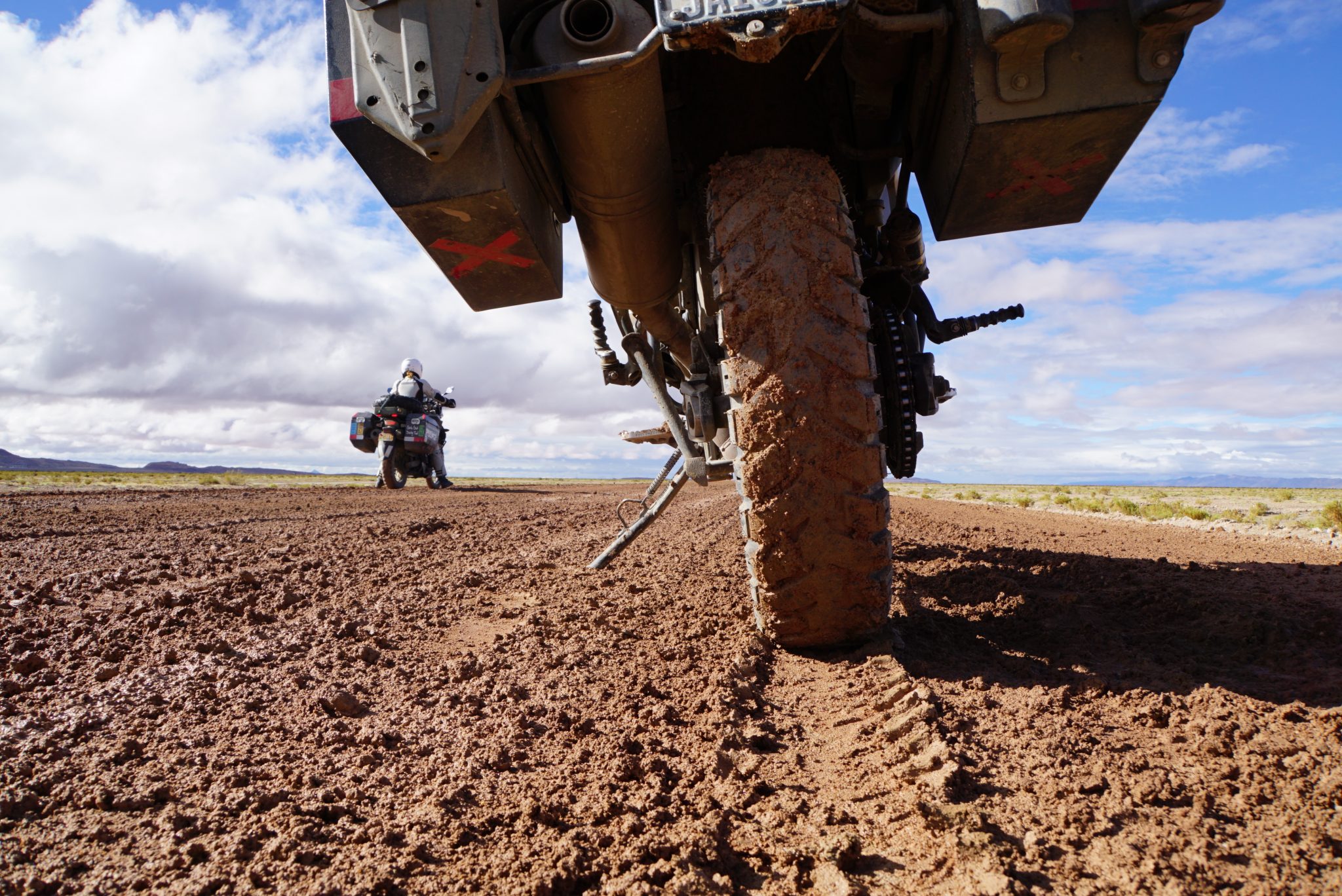
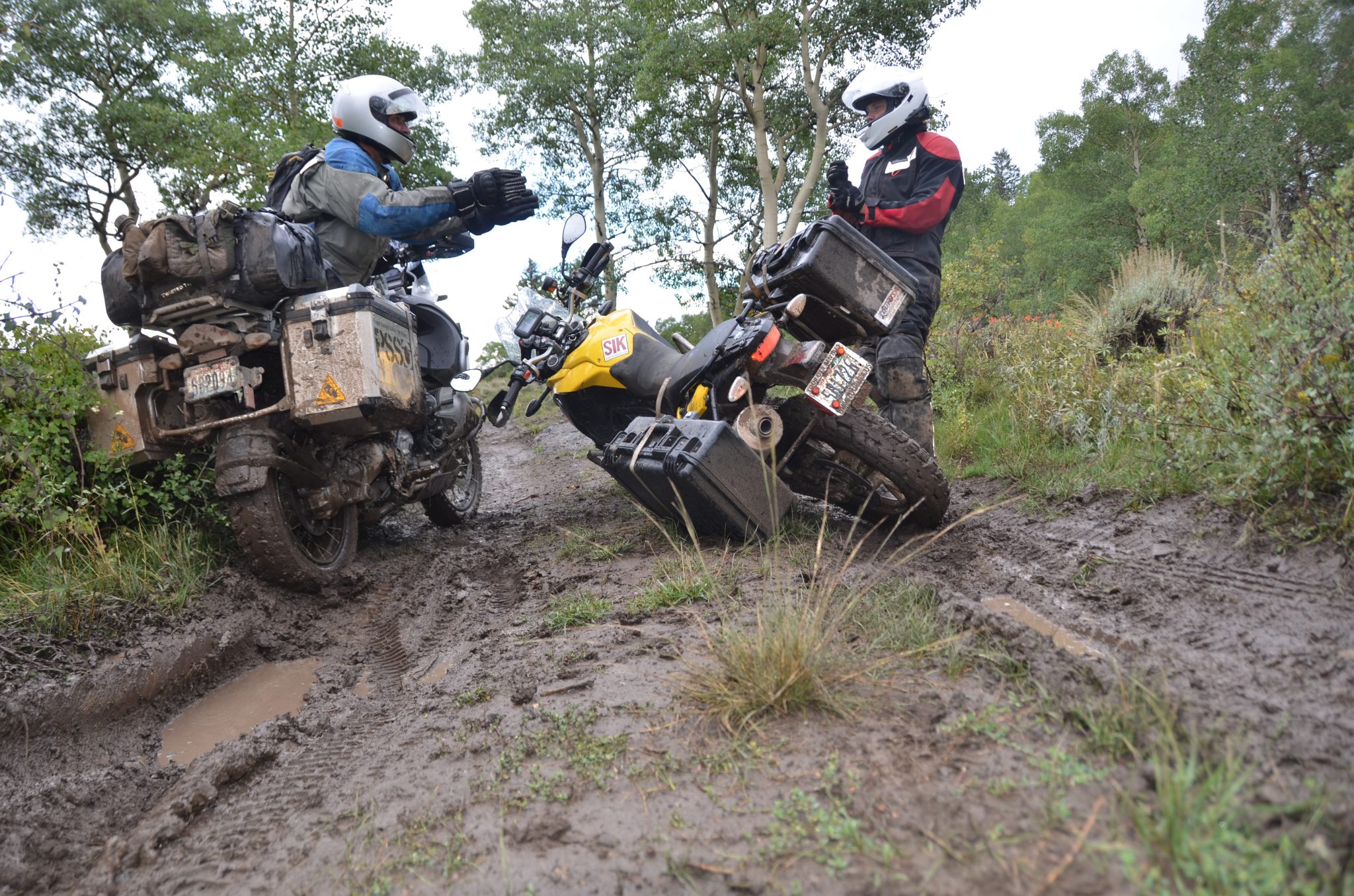
Now it’s time to really start having fun. Most routes only have short sections that are rated as difficult. This may not be an issue for a rider that is proficient in intermediate terrain, however if a route is consistently rated as difficult, that can contribute to significant fatigue causing errors in technique and/or judgment. Difficult terrain can be very dangerous for riders lacking proper riding gear (including motocross boots), riding skills or motorcycle setup. Difficult terrain may also be signed for high clearance or 4×4 vehicles.
Features
- Narrow, two-track switchbacks
- Snow
- Sections of loose rocks larger than 5" (13cm) diameter
- Wet, narrow single-track ruts
- Deep, soft gravel greater than 3" (8cm) deep
- Mud or sand requiring momentum to cross
- Water crossings with a loose base
- Moderate-flow water crossings shallower than 9" (23cm)
- Fast-flow water crossings less than 7” (18cm) deep
- Loose rocks under 6" (15cm) diameter
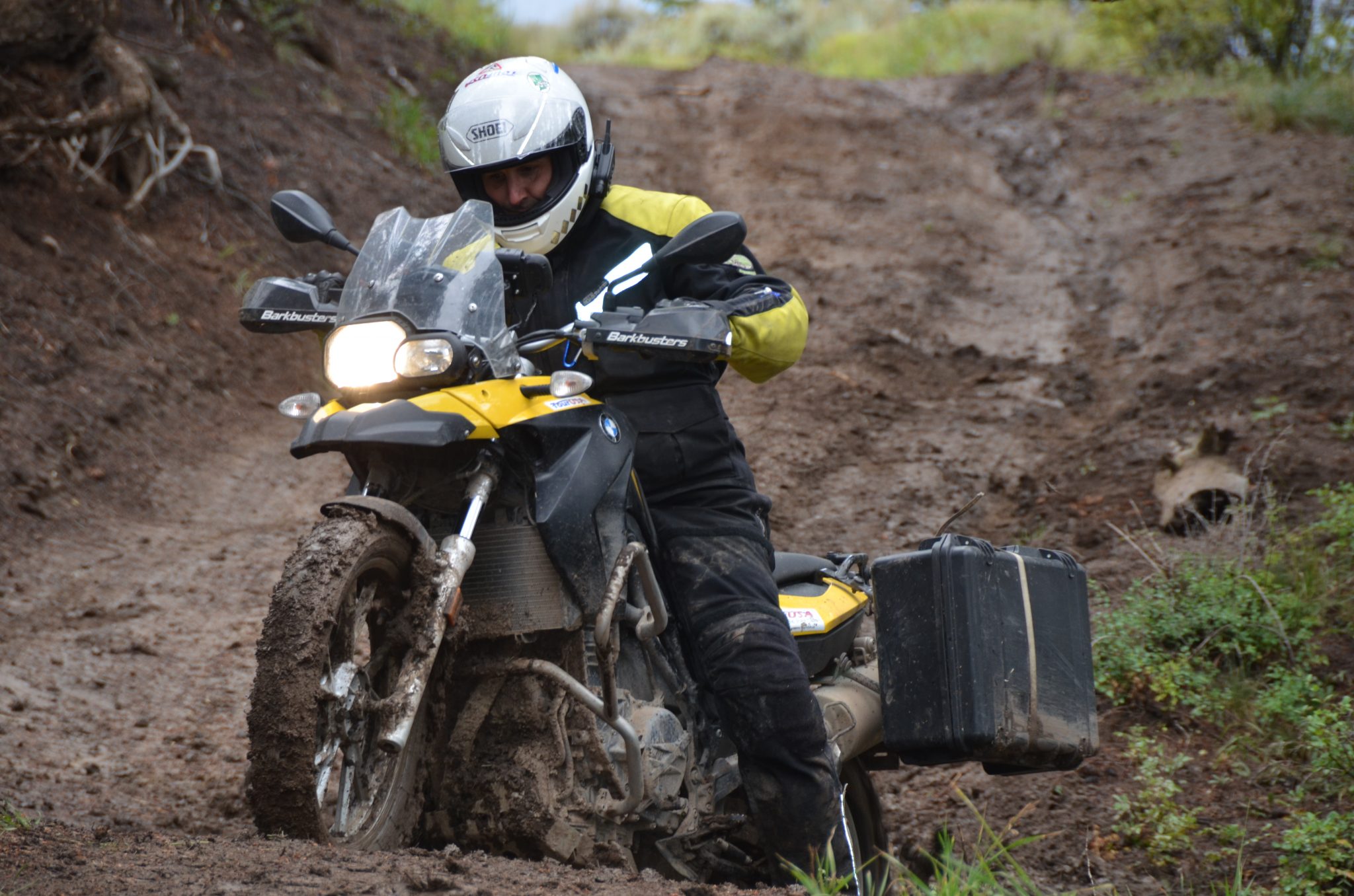
- Mud and water on hill climbs
To develop proficiency on difficult terrain, consider taking one of Bret’s challenge training courses.

Class 5: SEVERE
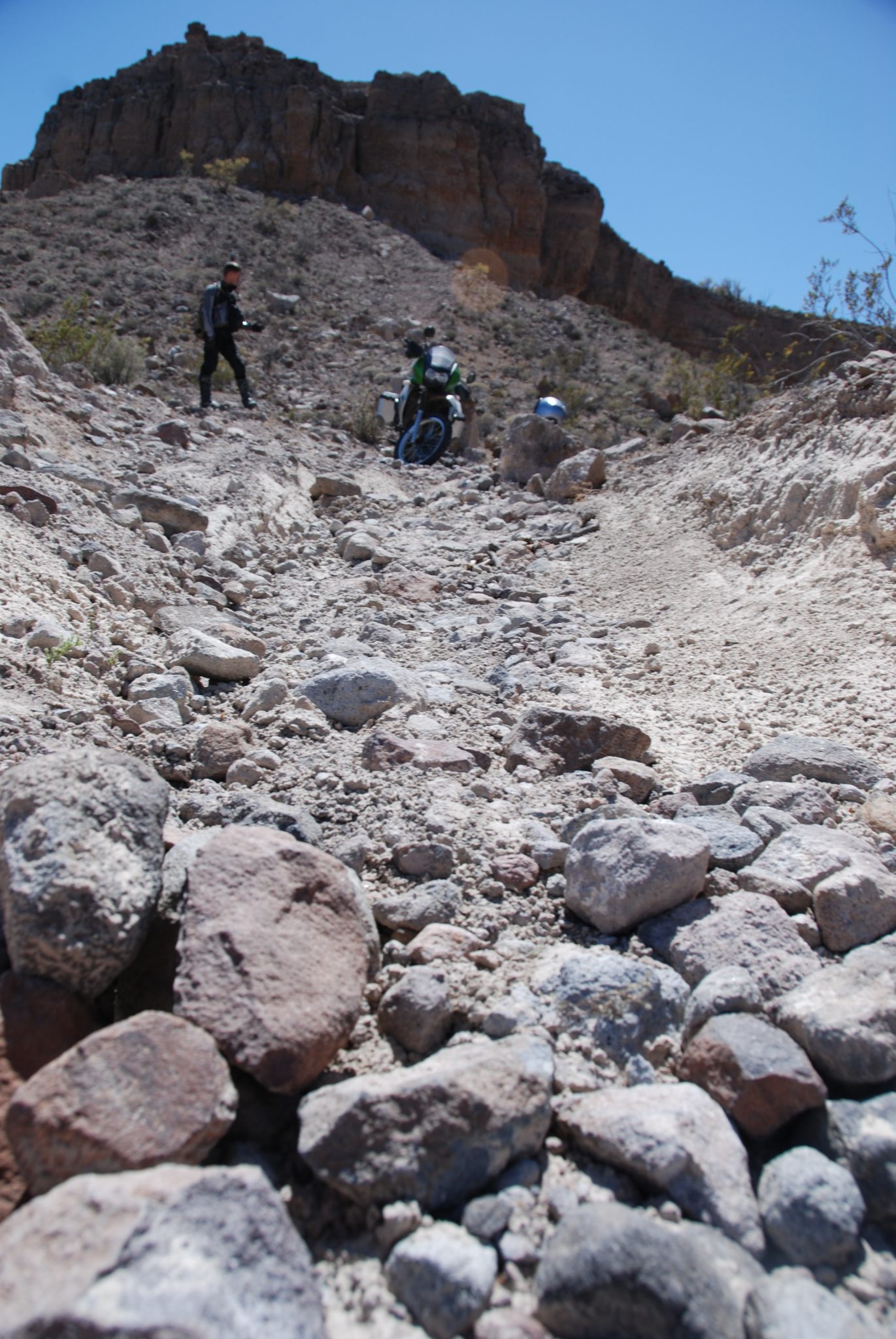
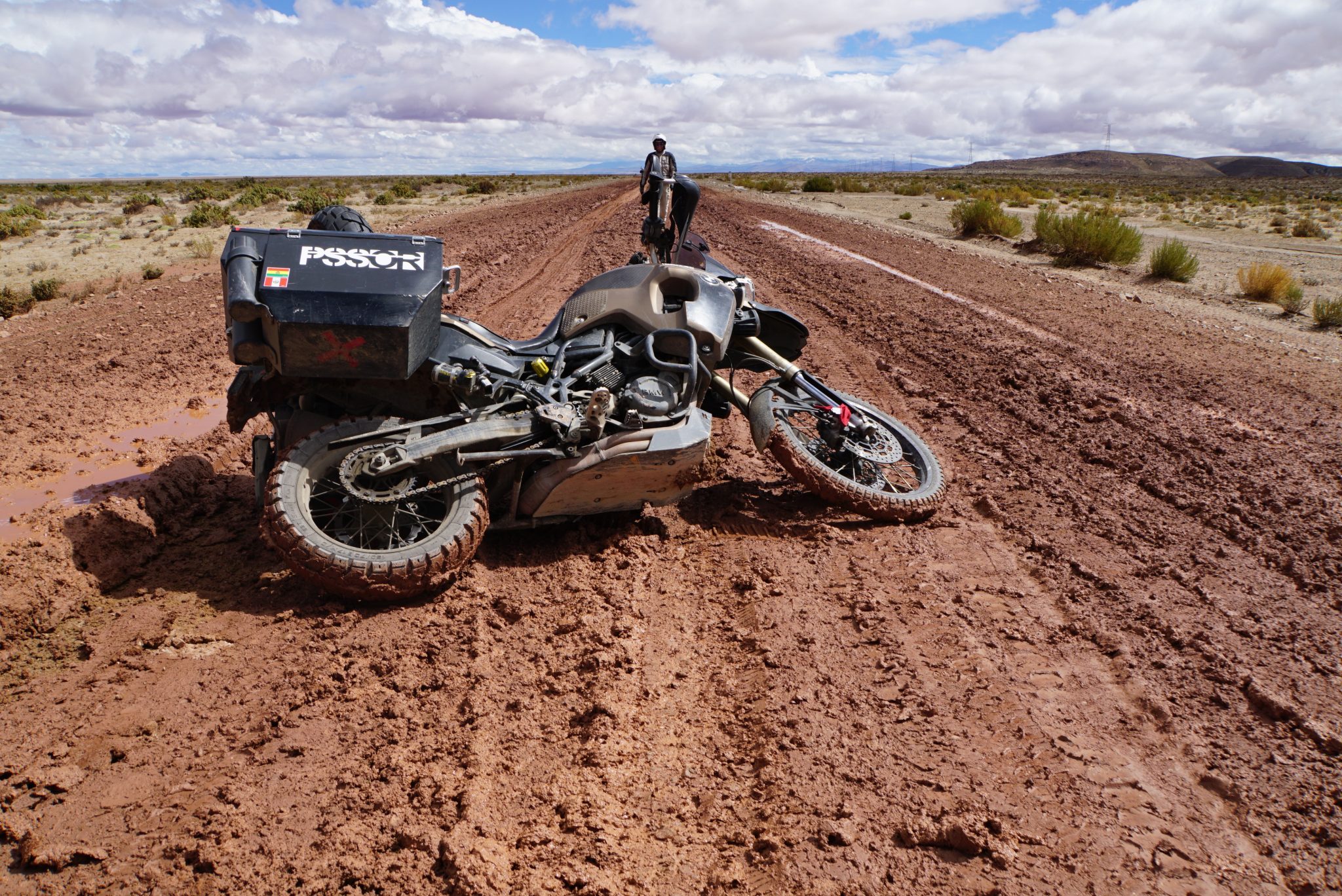
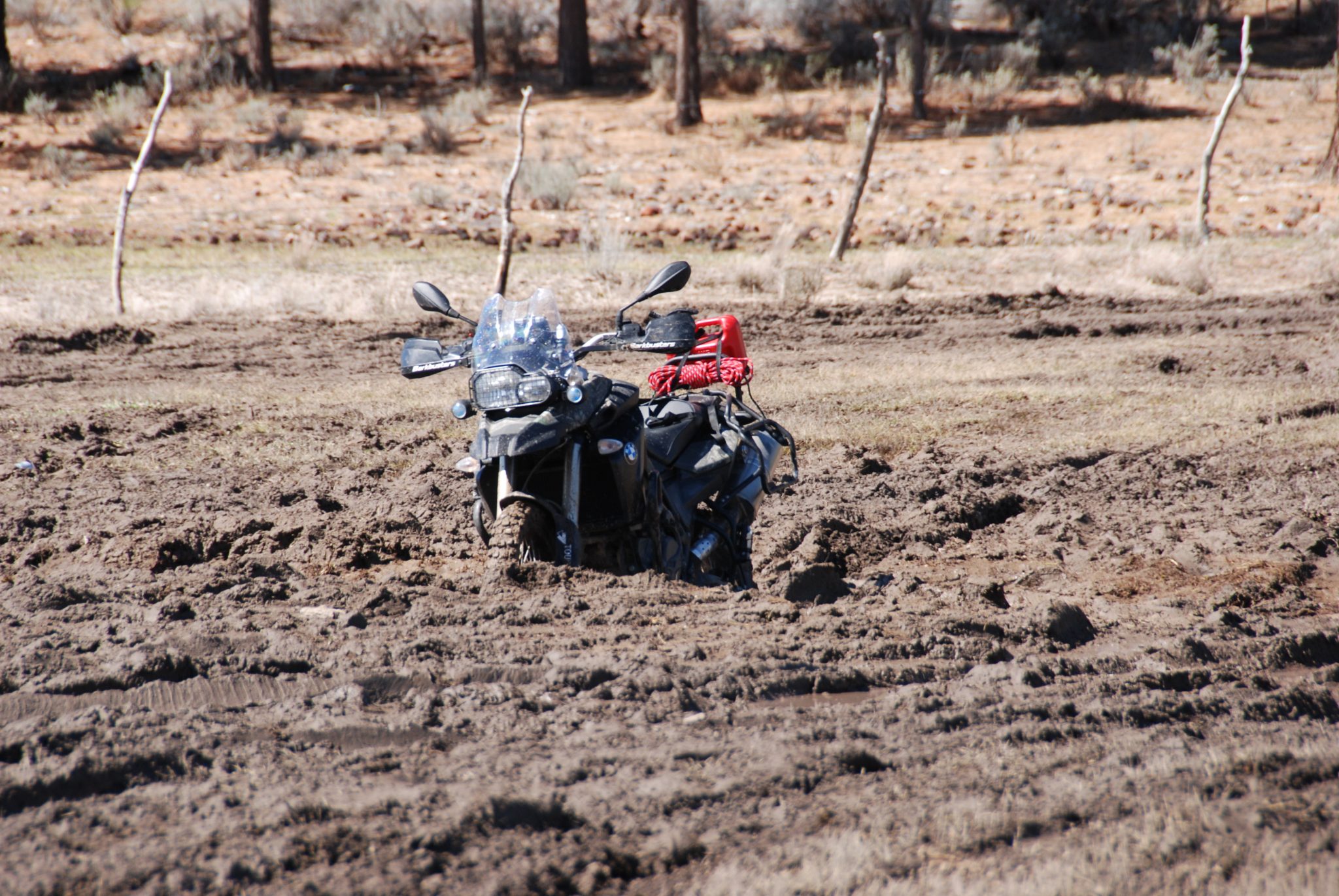
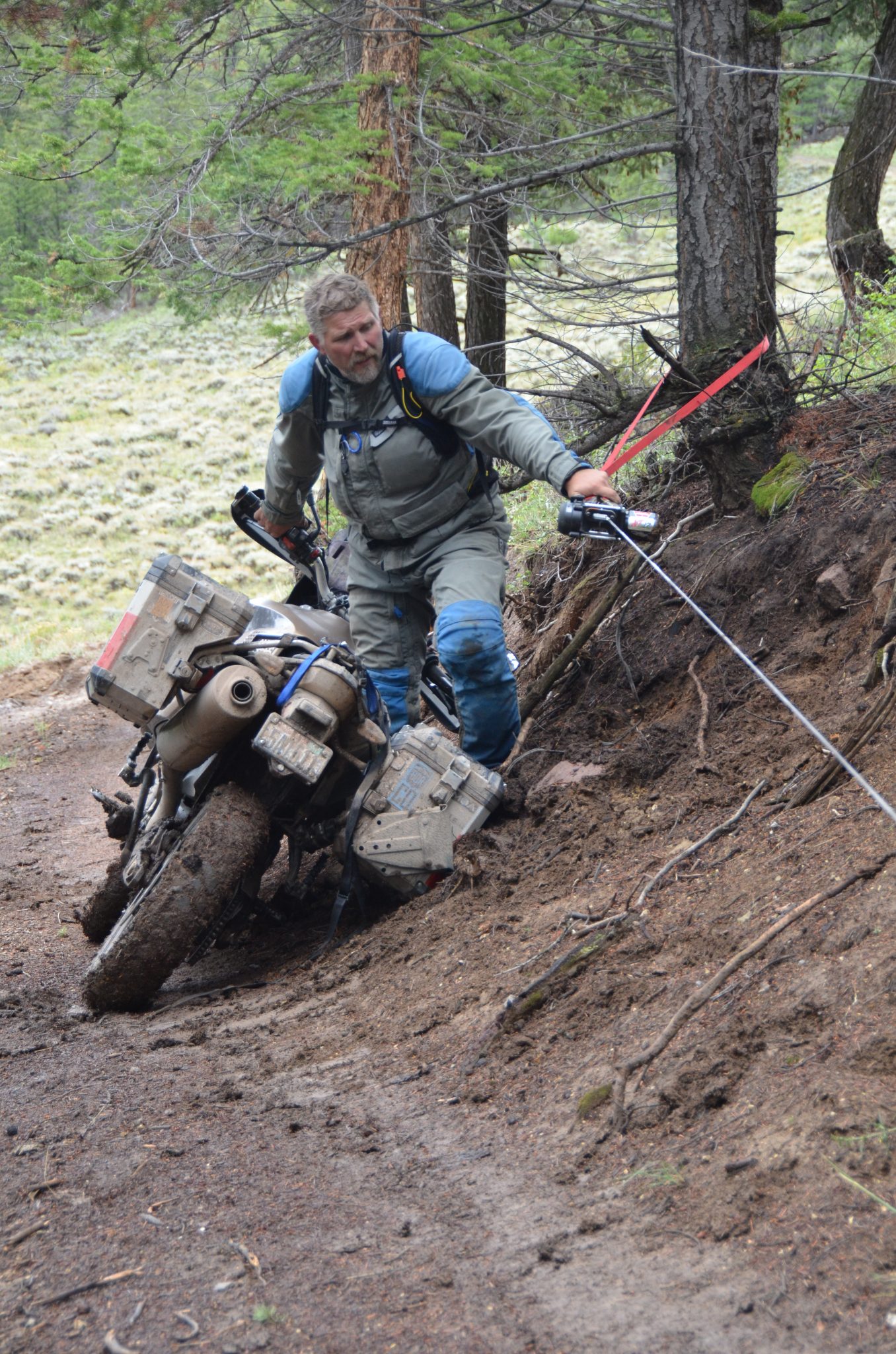
Because this system assumes you’re riding a fully loaded ADV bike, Class 5 terrain will often exceed what most riders choose to attempt — and should. Many riders may encounter isolated severe features during longer expeditions, but consistent proficiency at this level requires dedicated, ongoing training. An expert ADV rider on is one who can ride comfortably and unfazed on severe terrain that is impassable by an unmodified, un-winched Jeep, or on trails primarily intended for dirt bikes.


Features
- Trails intended primarily for dirt bikes
- Single-track switchback sections
- Impassible trails except under ideal conditions
- May need mechanical assistance (winch)
- Narrow sections with side camber
- Deep, soft gravel greater than 3" (8cm) deep
- Mud or sand requiring momentum to cross
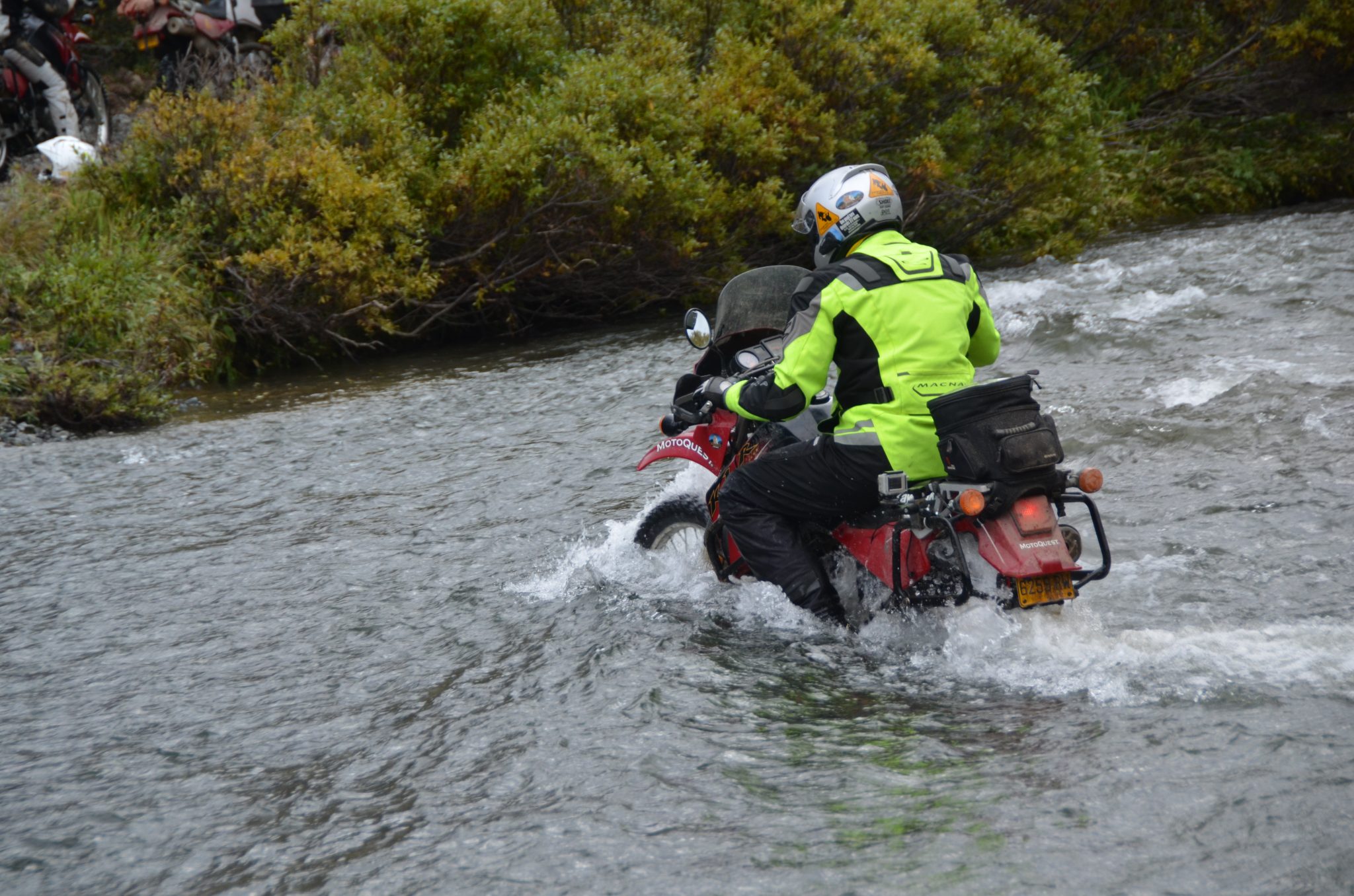
- Fast-flow water crossings deeper than 12" (30cm)
- Water crossings with a poor base
- Obstacles or ledges equal to or taller than the front axle
- Deep, soft sand
- Sticky mud
To develop proficiency on expert terrain, you must be very skilled with smooth controls. Email Bret for specific training.
FAQS
There will always be a transitional period as you increase your proficiency within each feature. We have all experienced a section of trail that was well beyond our skill level, but just because we made it through does not mean we are proficient with that level of riding. If you are looking to increase proficiency with minimal damage to yourself or your bike, seek out professional motorcycle training. To learn how to ride difficult to severe terrain with filled panniers, learn how to become a weightless rider. In addition, watch The Weightless Rider on Youtube.
Why Rating Yourself is So Complex:
You may be wondering why this Adventure Skill Rating System isn’t simpler. As a whole, adventure riders are very diverse in age, health, height, vision, experience, or even how much they carry or what they ride. In doing my best to avoid penalizing a skilled rider who is forced to ride slower due to poor vision, or classify a rider as more skilled when they’re riding a smaller motorcycle, it quickly became evident the rating system would be complex and imperfect. This also means that your skill rating may change simply by riding a different motorcycle.
This rating system assumes you are riding a large cc adventure bike with at least a moderate load, and have a 50/50 adventure tire or street tires installed. As you equip your motorcycle towards off-road use with knobbier tires, lighter loads, and improved suspension, the rating shifts towards more proficient, skewing your actual proficiency for each skill level. To accurately asses your level of proficiency, carefully consider how you perform when/if you were fully loaded with gear and traveling.
As a professional ADV trainer, I spend a lot of time developing and polishing my riding skills on an unladen ADV bike with at least 50/50 or 90/10 tires and minimal weight. This is how I encourage other riders to train, but we cannot rate ourselves on how we perform as an ADV rider in these ideal conditions. This rating system is designed to target the traveling ADV rider and you MUST rate yourself in that light.
Does speed matter?
It is not uncommon for riders to contact me for training because they ride slower than their friends and claim to be less skilled. Occasionally this is true; other times they are, in fact, the better rider. Think about a former world champion (road racing, MX racing, etc.) riding past their prime. They will ride slower than they used to, however it is highly unlikely they are less skilled at riding.
Adventure riders typically fall into the age bracket where vision, reaction time, and stamina are at a decline. As such, older ADV riders develop skills such as improved judgment, more relaxed riding strategies, and gain additional education on riding off-road. In short, speed matters… but not as much as you might think when rating yourself.
Certainly, the more skilled you are, the better you read and adapt to the terrain, and your speed is likely to increase. However, there is a limit. There is a point where the road or trail will dictate your maximum speed with concerns such as oncoming traffic on a two-way trail. The motorcycle’s suspension or tire grip may also limit your speed on a particular trail. An expert rider on a KTM 790 Adventure Rally may ride fast, but that same rider on a BMW R1250GS may ride a little slower.
When does speed matter? Speed matters if you are riding so slow, you must work harder than necessary to keep stable. Speed matters if you are riding so fast you are blowing past your limits, having near misses, or react to oncoming traffic or obstacles rather than planning.
No matter how skilled you are,
you should never ride faster than you can see and stop.
Discover what I do